
Can the Happiest Subspecialists Experience Burnout?
The Medscape’s Physician Lifestyle & Happiness Report 2019 crowned rheumatologists as the happiest subspecialists. We topped the list with 65% of the respondents indicating that they were happy outside of work. I was not really surprised by reading that, and I would go as far as saying that our field is the best.

Part 1: The “P” in Prednisone stands for Poison...and Other Pearls
Everyone has life hacks. Years of experience and doing the same things repetitively allow us to figure out little tricks to make life easier. A rat in a maze, finding itself at a dead end, will back up and search for a clearing. If this rat encounters its neighbor, it will transmit that information so the second rat won’t make the same mistake.

New Treatments in Axial SpA from #ACR2019
There were new developments in the treatment of axial Spondyloarthritis (AS) at ACR 2019. The first area is on the use of anti-IL17A drugs, secukinumab and ixekizumab in non-radiographic AS. The second area is the use of JAK-1 inhibitor Upadacitinib in radiographic AS. The third area is the use of dual anti-IL17A and 17F drug bimekizumab in radiographic. Finally, there were reports of the benefit of using anti-TNF (certolizumab) earlier in diagnosis to prevent radiographic progression. I will cover these topics here.

Frequent DMARD Discontinuations During Rheumatoid Pregnancies
A Canadian population-based study shows that pregnant women with rheumatoid arthritis (RA) frequently discontinue their DMARD medications, especially in the first trimester.
An administrative data study looked at women with RA with a singleton pregnancy who were studied for utilization of RA medications, including conventional synthetic DMARDs, biologics, glucocorticosteroids and NSAIDs.

Pain Persists Despite TNF Inhibitor Use
Control of pain in patients with rheumatoid arthritis (RA) often focuses on control of inflammation as a means to better control pain. However, a new claims data study shows that while anti-tumor necrosis factor inhibitor (TNFi) may lower the use of opioids, the reduction is nominal, suggesting that a substantial amount of pain is not adequately addressed by TNFi - a potent anti-inflammatory approach.

Stress and the Risk of Incident Inflammatory Arthritis
A prospective analysis of newly diagnosed, inflammatory arthritis (IA) patients suggests that perceived distress (stress) increases the odds of incident IA.

Hydroxychloroquine Blood Levels May Predict Future Retinopathy
A study of 527 patients receiving daily hydroxychloroquine (HCQ) concluded that hydroxychloroquine blood levels may predict future HCQ retinopathy.
This study assessed whether lower HCQ dosing, as recommended by the 2016 American Academy of Ophthalmology (AAO) guidelines (less than 5 mg/kg), would favorably affect retinopathy outcomes.
The overall risk of retinopathy was 4.3%, but was rare (1%) in the first 5 years, and rose with time - to 1.8% from 6 to 10 years, 3.3% from 11 to 15 years, 11.5% from 16 to 20 years, and 8.0% after 21 years of use.

Declining Trends in Antineutrophil Cytoplasmic Autoantibody–Associated Vasculitis Mortality in the USA

FUTURE 5 - Secukinumab and Less Radiographic Progression in Psoriatic Arthritis

Parenteral Out-Performs Oral Weekly Methotrexate
A systematic review in PLOS suggests that parenteral MTX therapy is more successful than oral MTX in achieving optimal disease activity control.
A meta-analysis to compare the efficacy of oral versus parenteral MTX in RA used the ACR20 response at 6 mos as the primary endpoint. Out of a search result of 357 papers, they found only 4 studies that met inclusion criteria; this included a total of 703 patients randomized to either treatment. MTX dosing started at 15mg/week and was increased up to 25mg/week.

RheumNow Podcast – Should You Believe in Vitamin D or Rituximab? (9.20.19)
Dr. Jack Cush reviews the news and journal articles from the past week on RheumNow.com

FDA Grants Breakthrough Status for Potential Lupus Nephritis Drug

Anakinra Shows Benefits in Cytokine Storm
The interleukin (IL)-1 receptor antagonist anakinra (Kineret) showed promise in critically ill children who develop the often-lethal condition known as secondary hemophagocytic lymphohistiocytosis (sHLH)/macrophage activation syndrome (MAS), a retrospective single-center study found.
However, the benefits in this analysis, which included 44 patients, were seen only among those whose underlying disease was autoimmune or rheumatic, according to Randy Q. Cron, MD, PhD, and colleagues from the University of Alabama at Birmingham School of Medicine.

Prior Authorizations Delay Care in Rheumatology
Physicians who believe their patients' health is negatively affected by insurers' demands for prior authorization, and the delays that often result, will find that opinion vindicated by a new study of rheumatology care: when permission had to be sought from insurers to provide intravenous drugs, average time to begin treatment was longer and patients had twice the corticosteroid exposure, a single-center analysis found.

74 Percent of Rheumatoid Arthritis Patients Dissatisfied with Treatment
CreakyJoints has completed a 258 patient survey showing that nearly three-fourths of people with rheumatoid arthritis (RA) have expressed dissatisfaction with their treatments, including conventional (csDMARDs) and biologic Disease Modifying Antirheumatic Drugs (bDMARDs).

Number of Prior DMARDs Portends Poorer Outcomes

High-Dose Vitamin D: No Help for Bone Health

Taltz FDA Approved for Ankylosing Spondylitis (Radiographic Axial SpA)
The FDA has approved the IL-17A inhibitor Taltz (ixekizumab) for the treatment of adults with active ankylosing spondylitis (AS: also known as radiographic axial spondyloarthritis).
The recommended dose is 160 mg SC (two 80 mg injections) at Week 0, followed by 80 mg every 4 weeks. The updated package insert can be found here.
According to Lilly, there are 1.6 million people in the US with ankylosing spondylitis, but only 15% of patients with the condition are taking biologic therapies.
A Multidimensional Definition of Remission
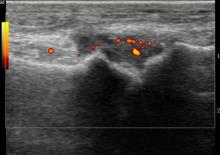
A study from Leeds suggests 'multi-dimensional remission' (MDR) can be seen in one-third of RA patients achieving DAS28-remission; such patients have better patient-reported outcome measures, making it an optimal goal, especially from a patient's perspective.
Good Pregnancy Outcomes for DMARD Exposed JIA Patients
A study of pregnancy outcomes in 98 women with juvenile idiopathic arthritis (JIA) who were exposed to DMARDs shows no increased risk of major adverse pregnancy outcomes.
A total of 152 pregnancies in 98 women with JIA and 39 pregnancies involving 21 male patients as partners were reviewed. The majority had a polyarticular JIA (61%). The average age at first pregnancy was 24.1 years, and their mean disease duration was 13.8 years.

With Autoimmunity, Checkpoint Inhibitors Can Be Used
Among patients with pre-existing autoimmune diseases who developed cancer and were treated with immune checkpoint inhibitors (ICI), flares of the underlying disease and other immune-related adverse events were common, a retrospective study conducted in France showed.
During a median follow-up of 8 months, 71% of 112 patients with autoimmune disease receiving checkpoint inhibitor treatment for cancer reported some type of immune toxicity, according to Divi Cornec, MD, PhD, of Hôpital de la Cavale Blanche in Brest, and colleagues.
Sjogren's Syndrome at Risk for Psychiatric Disorders
A population-based claims study from Taiwan shows significantly increased incidences of depressive disorder, anxiety disorder, and sleep disorder in patients with primary Sjögren’s syndrome (pSS).
Taiwan’s National Health Insurance Research Database was the source of this retrospective cohort comparison of 688 patients with newly diagnosed pSS and 3440 patients without pSS and 1302 newly diagnosed patients with rheumatoid arthritis (RA).

Top Rheumatology Centers Led by Johns Hopkins
Medscape has reported the results of the US News & World Report's annual ranking of the best adult rheumatology hospitals nationwide has again honored Johns Hopkins Hospital, with runner up status going to the Cleveland Clinic, Hospital for Special Surgery, NewYork-Presbyterian University of Columbia, and Cornell.
These results are based on surveys of US rheumatology specialists responding to US News surveys.
Risk of Major Gastrointestinal Bleeding With New vs Conventional Oral Anticoagulants
The comparative risk for gastrointestinal bleeding (GIB) with non-vitamin K antagonist oral anticoagulants (NOACs) was compared to vitamin K antagonists or anti-platelet agents in a recent metanalysis, which showed no significant difference in major GIB events between these agents.
A systematic review focused on 43 randomized controlled trials, 183,752 patients and 41 real-world studies (1,879,428 patients). NOACs include popular drugs such as dabigatran (Pradaxa), rivaroxaban (Xarelto), apixaban (Eliquis).
The pooled major rates of GIB were:

EHR-Related Adverse Events Usually Involve Medications
Concerns about the unintended risks inherent in electronic health records (EHR) by analysis of EHR–related harms identified from large database of malpractice suits and claims; they found that EHR related adverse events exist, and may be associated with an severe harms and uncommonly, death.
Less than 1% (n=248) of cases identified user- or system-related sociotechnical factors. Most of these (n=146) occurred in ambulatory care. More than 80% of errrors resulted moderate or severe harm, and lethal errors were less likely in ambulatory settings.

Benefits vs Harms for Osteoporosis Drug Continuation or Discontinuation
Drug Discontinuations and Holidays for Osteoporosis Fracture Prevention
To summarize the effects of long-term ODT and ODT discontinuation and holidays.
Data Sources:
Electronic bibliographic databases (January 1995 to October 2018) and systematic review bibliographies.
Study Selection:
Drug Discontinuations and Holidays for Osteoporosis Fracture Prevention
To summarize the effects of long-term ODT and ODT discontinuation and holidays.
Data Sources:
Electronic bibliographic databases (January 1995 to October 2018) and systematic review bibliographies.
Study Selection:

Be ‘on point’: Guidelines for rheumatic complications of immunotherapy