

Influential Rheumatoid Factors (5.8.2026)
Transcription
It's May 8th, 2026. This is the RheumNow podcast. Hi, I'm Dr. Jack Cush, executive editor of RheumNow.com. I'm back at the podcast. Last week, I was away lecturing, so I put up a lecture. It was called Great Lectures, great presentations. I hope you enjoyed it. Let's do a little catch up and talk about what's new and exciting in the news.
I'm going to lead with something from Clinical Infectious Diseases, a journal that did a survey of 380 internal medicine residents from 41 different programs. They had a response rate of about 7% and they asked them why aren't you going into infectious disease? Apparently, there's a shortage of ID specialists. Apparently, fellowship applications are down for infectious disease. And you know what they came up with wasn't surprising. It sounds like the same old story that we have in rheumatology — that interest in ID as a career has gone down. And why? It's because there are significant issues that still remain. Lack of exposure to infectious disease during PGY1 and PGY2. Lack of exposure to outpatient infectious disease clinics, lack of exposure to ID-related research. When those were present, people more likely went into infectious diseases.
And I put it up because it begs the question, what are we doing in rheumatology? The good news is that rheumatology fellowship applications are up and that's great and we're filling all our programs. Not in pediatric rheumatology. That's a gigantic problem that needs to be addressed. But we still have a tremendous shortage of rheumatologists and that's going to be so for the future. And how are we going to, you know, overcome that?
In that report of internal medicine residents, they cited reasons for not going into ID was low pay, long hours, lack of a procedure. Sounds like rheumatology. And you know, I was thinking maybe I should complain about this. Maybe I should make all of you responsible for fixing this problem. And I, you know, went to the ACR website and did some searching. And you know, the ACR has had a substantial effort in this regard. There's a number of different programs that are sponsored by the Rheumatology Research Foundation and by the ACR, including a Choose Rheumatology scholarship that offers funding for scholarships and training for underrepresented medicine background individuals or people from underserved areas who want to go into rheumatology, and the scholarships are for them to attend ACR and learn more about rheumatology. There are student and resident research awards that are substantial in their amount and they can be for one year or two years. There's efforts being made to promote pediatric residents into going into pediatric rheumatology fellowships. There's medical mentorships and other programs from the Rheumatology Research Foundation.
The point is we should all be interested in this. I think that we can fix this at the grassroots level — meaning encourage people to do a rotation with you, shadow you, do a project with you and then you show them how wonderful rheumatology is. That's the surefire way to get people in. It would help you if you knew about these programs from the ACR. And I'm going to ask the ACR to make a big pitch to all of us to let all of us know about how we can overcome the future shortage of rheumatology for society. It's a big problem and I think the first step is identifying the problem. The next step is having programs to deal with it and we are halfway there.
Next, comorbidities are big no matter what the disorder is. A systematic review of difficult-to-treat RA — D2T — using the EULAR definition shows significant associations with comorbidities that make D2T worse. What were the comorbidities that made it worse and were most linked? Smoking, obesity, fibromyalgia, and depression. Meaning, it's not always the inflammatory things, right? It's sometimes the fibromyalgia, depression, and functional things that need to be paid attention to when dealing with that difficult patient that hasn't responded to two or three advanced therapies.
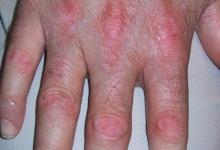
What about rheumatoid factor? I like that rheumatoid factor was in the news this week. Two interesting reports. A thousand-patient cohort of psoriatic arthritis who are having serologic tests annually. I don't know — isn't that a special kind of stupid? Why are you doing serial rheumatoid factors on people? Nonetheless, they found 5% who are rheumatoid factor positive at baseline. 16% overall — that's a historic number that they basically reproduce. 16% of PsAs are going to be seropositive and those are the ones going to have bad arthritis or worse arthritis and more polyarthritis, more RA-like variant of PsA, right. But again, the interesting thing is that rheumatoid factor when present in a PsA patient reduced the odds of achieving MDA — minimal disease activity — with less than half of them getting there, and it increased
the odds of a discontinuation or failure of biologic DMARD therapy. So it's a marker for more severe PSA when it happens. Remember I talked last week about — or last time about — rheumatoid factor and then long ago about rheumatoid factor in EGPA being a bad marker there. There's something to this rheumatoid factor thing. I'm glad it was invented in the 40s.
But then there's another report this week that reviews rheumatoid factor as being a potential marker of cardiometabolic disease and hepatic disease, and it's a really nice review that said a lot of things I didn't really know. Outside of rheumatology, rheumatoid factor by itself, without having an association with rheumatoid arthritis, is associated with more atherosclerotic disease, more MI, more coronary artery disease, more ischemic stroke, more obesity, more insulin resistance, more type 2 diabetes, more metabolic syndrome, and more liver disease. Again, this rheumatoid factor thing — I wish we knew more about it.
So, two exciting pieces. Lancet Rheumatology did a real-world study of 267 new DMARD starts. This is a study from Taiwan and it compared people starting on tofacitinib or TNF inhibitor — 145 versus 122 — unselected, real-world, meaning why do they go on to that as opposed to going on a TNF? But nonetheless, they did some adjustments and whatnot, and this study comes on the tail of my last podcast where I talked about a Chinese study showing that a JAK inhibitor was superior to methotrexate and more cost effective. Here we have a JAK inhibitor against a TNF inhibitor as their new DMARD starts, and they had similar efficacy, but then their long-term safety was no different either. Adverse event rates, serious adverse event rates 20% in both groups. MACE 0 versus 0.8%, cancer 2% versus 0.8%, deaths 1.4% versus 3%. Serious infectious events a little more with tofacitinib — 13% versus 8.2% with TNF — and clearly more herpes zoster. So maybe those more serious infectious events were all the zoster difference: 12% versus 3%.
Again, this begs the question — now with tofacitinib going generic in 2026, what is your best first drug? When are we going to start considering JAK inhibitors as potentially first-line therapies? I don't know. I'm just kind of stirred up, cause trouble — and I know there's guidelines that speak otherwise, right?
The question still is, what are you going to use first? I guess the next question is, if you fail a TNF inhibitor, what are you going to use next? So that was published this week, or two weeks ago — the SELECT-SWITCH study done with upadacitinib versus adalimumab in refractory RA after a TNF inhibitor, showing that patients responded better to switching classes and going to the JAK inhibitor as opposed to cycling and going to another TNF inhibitor. Do you fight or switch? Do you cycle or switch? The EULAR guidelines from 2025 say you're one and done — use a drug, move on to the next class. Even though you've got five options amongst TNFs, four or five options amongst JAKs, three options in IL-6, two options in others — the idea is change classes. You've got enough choices, and that is borne out by good evidence.
Another report this week looked at B27 testing and rheumatoid factor in psoriatic arthritis. What about looking for B27? So this was a study of CASPAR — a cohort of PSA patients, 333, in whom they did B27 testing. 12% were B27 positive. Were those people different? Oh yes they were. They had earlier onset disease, more axial disease, more enthesitis, and more FIB-4 scores — that survey questionnaire that identifies people at risk for hepatic fibrosis. B27 however had no influence on the sex of the patient, dactylitis, uveitis, treatment responses, comorbidities, or the number who went on to develop D2T PSA.
I've always said B27 clearly, wherever it is, influences the risk of axial disease starting with sacroiliitis, and also the risk of uveitis, and other studies argue about other points. I think this data sort of supports that contention that I've always taught.
Osteoarthritis has been in the news. This is sort of an interesting trial — you've got bad moderate-to-severe hip OA, Kellgren-Lawrence grade two, three, or four. What should you do? A hip replacement or a program of exercise? I thought that was kind of like, why would you even do that study? Well, they did. It's a randomized controlled trial, 120 patients. You either had hip replacement and a rehab program or an exercise program, and they looked at 12-month outcomes. As you would expect, as I expected, it was a slam dunk on WOMAC outcomes, pain outcomes, hip survey score outcomes — a slam dunk in favor of surgery. More importantly, the ones who were treated conservatively with just exercise, 38% of them went on to need total hip replacement during the study. So if you're wondering, maybe I can hold that off in a few people, or you know,
you know, patients who are confronted with the need for joint replacement um are sometimes a little reticent to do so. And by the way, you're looking at one of them right here. You know, I had end-stage knees like 30 years ago from football injuries and being overweight and whatever. I was bone on bone literally for 25, 30 years. Took medicine every day for it. Gimped around. People want to know what's wrong with me. But, you know, I kept doing it and it took me two years of great advice from a great surgeon saying, "Dude, do the surgery already." And it was life-changing. So, anyway, this kind of data should help you to encourage your patients to get arthroplasty when it's in fact going to be um beneficial.
Another big report was a JAMA review on knee pain. Now, I know you know a lot about knee pain. We all do. We see a lot of it. It's kind of an interesting review. I must say it's got a lot of great facts in there that it might be worth pulling it, downloading it, scanning it. I think you'll find some really good teaching points for um for yourself and for when you're educating trainees.
Uh and so here's some of the numbers. 654 million patients worldwide have knee pain. It accounts for at least 5% of all outpatient PCP visits. 25% of knee pain is patellofemoral pain. You should suspect in people under the age of 40 who are physically active who have anterior knee pain, especially on squatting. Anterior knee pain on squatting is 91% sensitive, 50% specific. All right, I like that.
Patellofemoral um OA — meniscal tears account for about 12% of knee pain in adults and you know the procedures to diagnose that by exam, that is, and you can order an MRI but remember we had that MRI a few weeks ago that showed us MRIs of the shoulders and people over the age of 60 everybody had rotator cuff tears showing you it's totally useless as we get older — you're going to find abnormalities of the menisci as well with MRI.
So what can you do by joint exam? Well, the numbers that they quoted I think I liked because it kind of um reinforced my thinking. The best test, the one that we were taught, is a McMurray test. You know, flex the knee and then while torquing the knee medially or laterally, valgus or varus, and extending it, you get a click or pain in the damaged meniscus inside or outside. But you know what? Not so good. 61% sensitive, 84% specific. I can't say that I've ever felt the click. I often have gotten the pain. What I like much better is medial joint line tenderness or lateral joint line tenderness. 84% sensitive, 83% specific for diagnosing meniscal tears. Check out that citation. I think you'll find it um interesting.
Uh data coming out of the AAC meeting — this is um I think that's an endocrine meeting — was the FREEDOM real-world study that looked at atypical femoral fractures in patients taking denosumab versus a bisphosphonate in a fairly large cohort. The denosumab risk of atypical femoral fractures, AFF, was low, less than one in a thousand, and same for bisphosphonates. Denosumab: 0.89 per 1,000 um and bisphosphonates: 0.82 — but they had no active treatment or other kind of comparators and they excluded patients with comorbidity. But these numbers are in line with the historic numbers of atypical femoral fractures with bisphosphonates, about 10 per 10,000, one per thousand. So while this study said it's not increased with denosumab, it basically says it's the same, and again the point is that it's low, and if you think someone needs to be on denosumab or a bisphosphonate, the benefits of preventing fracture I believe far outweigh the risks. Now you know the patients who have high risk that you may not want to use those drugs, and that's another report, another time.
EULAR um recommendation on physical activity and arthritis — sounds like a you know a no-brainer — worth looking at. You know, four overarching principles and I think it was eight or nine recommendations. You know, I like the third overarching principle that said that cardiovascular fitness, muscular strength, flexibility, and neuromuscular performance — evidence for all of those benefiting patients with both inflammatory and non-inflammatory arthritis, including during periods of active disease. And then their recommendation was people with arthritis, all forms, should aim for at least 150 minutes of moderate intensity or 75 minutes of vigorous intensity aerobic activity a week, or some combination thereof. Plus, muscle strengthening on two or more days. Short bouts of intermittent activity throughout the day are valid um and accumulate meaningfully — lower um benefits for patients, especially as far as pain, fatigue, and functional problems.
You know, I've often thought, and I never did this in my own practice — I should have — but I always thought about putting a big banner out in the waiting room that just said "be stronger." Strength is what matters. We don't talk enough about being
stronger because and my point is when you hurt, you do less. When you do less, you get weak. When you get weak, you hurt more. It's a vicious cycle down the toilet when you're not doing well with musculoskeletal problems. But if you can work on getting stronger, you can endure more with less pain and have better functional outcomes, strength, and again, physical activity should be encouraged.
I don't know if you looked at or heard about, but I have a podcast for dermatologists. It's called DermNow. It's kind of the same topics I cover here, but they're ones that are germane to derms. Please tell your derm colleagues, check this out. If you like the RheumNow podcast, you'll like the derm podcast. You know, we talk about PsA, cutaneous lupus, vasculitis, hidradenitis, dermatology drugs, etc.
I want to end with nurses. At the beginning of May, the US Department of Education finalized its rules coming out of the BBB, Big Beautiful Bill, whatever act that the administration put up, that really substantially cut graduate loans for medical students to cap them at 200,000. There was no previous limit. It is substantially less for nurses and nurse practitioners and physician assistants or physician associates. This is a gigantic problem and they finalized it even though they had input from all the societies.
The American Nurses Association response to the Department of Education's final rule said that they were profoundly dismayed by the DOE exclusion of nursing from being granted a professional degree like doctors, which then gives them less funds for their training. That's going to cut into the number of nurses, nurse practitioners, and PAs that we have. Again, they had hundreds of thousands of people voting against this. They just went ahead and made the idiotic decision.
I don't know if you saw, I wrote a blog this week called Nurses Calm Through Chaos. It's a love letter to all the nurses that we work with that make us look better every day, from our protean days of starting out in medicine to our current mature delivery of expert care. It ain't happening without nurses. Great care begins and ends with nurses. And I'm talking MAs, LVNs, LPNs, RNs, BSNs, PhD RNs, NPs, and the like. Their contributions to the welfare of our patients cannot be extolled enough. Congratulations. It's Nurses Week.
I don't know if you've seen, but I have been doing a series of videos called Advanced Practice Rheumatology. These are meant to be sort of starter courses in evaluation, lab testing, RA, steroids, methotrexate, etc. I think there's about seven of them up right now. I've got a total of 13 to do. I would encourage you to tell your new trainees, your residents who are rotating, your new hires as NPs to take a look at these. It'll help them get started. At least they'll know what I think is important when starting out in rheumatology and learning the hard stuff. Hope you enjoyed this podcast. We'll talk next week. Tell your derm colleagues about DermNow. Thanks.
I'm going to lead with something from Clinical Infectious Diseases, a journal that did a survey of 380 internal medicine residents from 41 different programs. They had a response rate of about 7% and they asked them why aren't you going into infectious disease? Apparently, there's a shortage of ID specialists. Apparently, fellowship applications are down for infectious disease. And you know what they came up with wasn't surprising. It sounds like the same old story that we have in rheumatology — that interest in ID as a career has gone down. And why? It's because there are significant issues that still remain. Lack of exposure to infectious disease during PGY1 and PGY2. Lack of exposure to outpatient infectious disease clinics, lack of exposure to ID-related research. When those were present, people more likely went into infectious diseases.
And I put it up because it begs the question, what are we doing in rheumatology? The good news is that rheumatology fellowship applications are up and that's great and we're filling all our programs. Not in pediatric rheumatology. That's a gigantic problem that needs to be addressed. But we still have a tremendous shortage of rheumatologists and that's going to be so for the future. And how are we going to, you know, overcome that?
In that report of internal medicine residents, they cited reasons for not going into ID was low pay, long hours, lack of a procedure. Sounds like rheumatology. And you know, I was thinking maybe I should complain about this. Maybe I should make all of you responsible for fixing this problem. And I, you know, went to the ACR website and did some searching. And you know, the ACR has had a substantial effort in this regard. There's a number of different programs that are sponsored by the Rheumatology Research Foundation and by the ACR, including a Choose Rheumatology scholarship that offers funding for scholarships and training for underrepresented medicine background individuals or people from underserved areas who want to go into rheumatology, and the scholarships are for them to attend ACR and learn more about rheumatology. There are student and resident research awards that are substantial in their amount and they can be for one year or two years. There's efforts being made to promote pediatric residents into going into pediatric rheumatology fellowships. There's medical mentorships and other programs from the Rheumatology Research Foundation.
The point is we should all be interested in this. I think that we can fix this at the grassroots level — meaning encourage people to do a rotation with you, shadow you, do a project with you and then you show them how wonderful rheumatology is. That's the surefire way to get people in. It would help you if you knew about these programs from the ACR. And I'm going to ask the ACR to make a big pitch to all of us to let all of us know about how we can overcome the future shortage of rheumatology for society. It's a big problem and I think the first step is identifying the problem. The next step is having programs to deal with it and we are halfway there.
Next, comorbidities are big no matter what the disorder is. A systematic review of difficult-to-treat RA — D2T — using the EULAR definition shows significant associations with comorbidities that make D2T worse. What were the comorbidities that made it worse and were most linked? Smoking, obesity, fibromyalgia, and depression. Meaning, it's not always the inflammatory things, right? It's sometimes the fibromyalgia, depression, and functional things that need to be paid attention to when dealing with that difficult patient that hasn't responded to two or three advanced therapies.
What about rheumatoid factor? I like that rheumatoid factor was in the news this week. Two interesting reports. A thousand-patient cohort of psoriatic arthritis who are having serologic tests annually. I don't know — isn't that a special kind of stupid? Why are you doing serial rheumatoid factors on people? Nonetheless, they found 5% who are rheumatoid factor positive at baseline. 16% overall — that's a historic number that they basically reproduce. 16% of PsAs are going to be seropositive and those are the ones going to have bad arthritis or worse arthritis and more polyarthritis, more RA-like variant of PsA, right. But again, the interesting thing is that rheumatoid factor when present in a PsA patient reduced the odds of achieving MDA — minimal disease activity — with less than half of them getting there, and it increased
the odds of a discontinuation or failure of biologic DMARD therapy. So it's a marker for more severe PSA when it happens. Remember I talked last week about — or last time about — rheumatoid factor and then long ago about rheumatoid factor in EGPA being a bad marker there. There's something to this rheumatoid factor thing. I'm glad it was invented in the 40s.
But then there's another report this week that reviews rheumatoid factor as being a potential marker of cardiometabolic disease and hepatic disease, and it's a really nice review that said a lot of things I didn't really know. Outside of rheumatology, rheumatoid factor by itself, without having an association with rheumatoid arthritis, is associated with more atherosclerotic disease, more MI, more coronary artery disease, more ischemic stroke, more obesity, more insulin resistance, more type 2 diabetes, more metabolic syndrome, and more liver disease. Again, this rheumatoid factor thing — I wish we knew more about it.
So, two exciting pieces. Lancet Rheumatology did a real-world study of 267 new DMARD starts. This is a study from Taiwan and it compared people starting on tofacitinib or TNF inhibitor — 145 versus 122 — unselected, real-world, meaning why do they go on to that as opposed to going on a TNF? But nonetheless, they did some adjustments and whatnot, and this study comes on the tail of my last podcast where I talked about a Chinese study showing that a JAK inhibitor was superior to methotrexate and more cost effective. Here we have a JAK inhibitor against a TNF inhibitor as their new DMARD starts, and they had similar efficacy, but then their long-term safety was no different either. Adverse event rates, serious adverse event rates 20% in both groups. MACE 0 versus 0.8%, cancer 2% versus 0.8%, deaths 1.4% versus 3%. Serious infectious events a little more with tofacitinib — 13% versus 8.2% with TNF — and clearly more herpes zoster. So maybe those more serious infectious events were all the zoster difference: 12% versus 3%.
Again, this begs the question — now with tofacitinib going generic in 2026, what is your best first drug? When are we going to start considering JAK inhibitors as potentially first-line therapies? I don't know. I'm just kind of stirred up, cause trouble — and I know there's guidelines that speak otherwise, right?
The question still is, what are you going to use first? I guess the next question is, if you fail a TNF inhibitor, what are you going to use next? So that was published this week, or two weeks ago — the SELECT-SWITCH study done with upadacitinib versus adalimumab in refractory RA after a TNF inhibitor, showing that patients responded better to switching classes and going to the JAK inhibitor as opposed to cycling and going to another TNF inhibitor. Do you fight or switch? Do you cycle or switch? The EULAR guidelines from 2025 say you're one and done — use a drug, move on to the next class. Even though you've got five options amongst TNFs, four or five options amongst JAKs, three options in IL-6, two options in others — the idea is change classes. You've got enough choices, and that is borne out by good evidence.
Another report this week looked at B27 testing and rheumatoid factor in psoriatic arthritis. What about looking for B27? So this was a study of CASPAR — a cohort of PSA patients, 333, in whom they did B27 testing. 12% were B27 positive. Were those people different? Oh yes they were. They had earlier onset disease, more axial disease, more enthesitis, and more FIB-4 scores — that survey questionnaire that identifies people at risk for hepatic fibrosis. B27 however had no influence on the sex of the patient, dactylitis, uveitis, treatment responses, comorbidities, or the number who went on to develop D2T PSA.
I've always said B27 clearly, wherever it is, influences the risk of axial disease starting with sacroiliitis, and also the risk of uveitis, and other studies argue about other points. I think this data sort of supports that contention that I've always taught.
Osteoarthritis has been in the news. This is sort of an interesting trial — you've got bad moderate-to-severe hip OA, Kellgren-Lawrence grade two, three, or four. What should you do? A hip replacement or a program of exercise? I thought that was kind of like, why would you even do that study? Well, they did. It's a randomized controlled trial, 120 patients. You either had hip replacement and a rehab program or an exercise program, and they looked at 12-month outcomes. As you would expect, as I expected, it was a slam dunk on WOMAC outcomes, pain outcomes, hip survey score outcomes — a slam dunk in favor of surgery. More importantly, the ones who were treated conservatively with just exercise, 38% of them went on to need total hip replacement during the study. So if you're wondering, maybe I can hold that off in a few people, or you know,
you know, patients who are confronted with the need for joint replacement um are sometimes a little reticent to do so. And by the way, you're looking at one of them right here. You know, I had end-stage knees like 30 years ago from football injuries and being overweight and whatever. I was bone on bone literally for 25, 30 years. Took medicine every day for it. Gimped around. People want to know what's wrong with me. But, you know, I kept doing it and it took me two years of great advice from a great surgeon saying, "Dude, do the surgery already." And it was life-changing. So, anyway, this kind of data should help you to encourage your patients to get arthroplasty when it's in fact going to be um beneficial.
Another big report was a JAMA review on knee pain. Now, I know you know a lot about knee pain. We all do. We see a lot of it. It's kind of an interesting review. I must say it's got a lot of great facts in there that it might be worth pulling it, downloading it, scanning it. I think you'll find some really good teaching points for um for yourself and for when you're educating trainees.
Uh and so here's some of the numbers. 654 million patients worldwide have knee pain. It accounts for at least 5% of all outpatient PCP visits. 25% of knee pain is patellofemoral pain. You should suspect in people under the age of 40 who are physically active who have anterior knee pain, especially on squatting. Anterior knee pain on squatting is 91% sensitive, 50% specific. All right, I like that.
Patellofemoral um OA — meniscal tears account for about 12% of knee pain in adults and you know the procedures to diagnose that by exam, that is, and you can order an MRI but remember we had that MRI a few weeks ago that showed us MRIs of the shoulders and people over the age of 60 everybody had rotator cuff tears showing you it's totally useless as we get older — you're going to find abnormalities of the menisci as well with MRI.
So what can you do by joint exam? Well, the numbers that they quoted I think I liked because it kind of um reinforced my thinking. The best test, the one that we were taught, is a McMurray test. You know, flex the knee and then while torquing the knee medially or laterally, valgus or varus, and extending it, you get a click or pain in the damaged meniscus inside or outside. But you know what? Not so good. 61% sensitive, 84% specific. I can't say that I've ever felt the click. I often have gotten the pain. What I like much better is medial joint line tenderness or lateral joint line tenderness. 84% sensitive, 83% specific for diagnosing meniscal tears. Check out that citation. I think you'll find it um interesting.
Uh data coming out of the AAC meeting — this is um I think that's an endocrine meeting — was the FREEDOM real-world study that looked at atypical femoral fractures in patients taking denosumab versus a bisphosphonate in a fairly large cohort. The denosumab risk of atypical femoral fractures, AFF, was low, less than one in a thousand, and same for bisphosphonates. Denosumab: 0.89 per 1,000 um and bisphosphonates: 0.82 — but they had no active treatment or other kind of comparators and they excluded patients with comorbidity. But these numbers are in line with the historic numbers of atypical femoral fractures with bisphosphonates, about 10 per 10,000, one per thousand. So while this study said it's not increased with denosumab, it basically says it's the same, and again the point is that it's low, and if you think someone needs to be on denosumab or a bisphosphonate, the benefits of preventing fracture I believe far outweigh the risks. Now you know the patients who have high risk that you may not want to use those drugs, and that's another report, another time.
EULAR um recommendation on physical activity and arthritis — sounds like a you know a no-brainer — worth looking at. You know, four overarching principles and I think it was eight or nine recommendations. You know, I like the third overarching principle that said that cardiovascular fitness, muscular strength, flexibility, and neuromuscular performance — evidence for all of those benefiting patients with both inflammatory and non-inflammatory arthritis, including during periods of active disease. And then their recommendation was people with arthritis, all forms, should aim for at least 150 minutes of moderate intensity or 75 minutes of vigorous intensity aerobic activity a week, or some combination thereof. Plus, muscle strengthening on two or more days. Short bouts of intermittent activity throughout the day are valid um and accumulate meaningfully — lower um benefits for patients, especially as far as pain, fatigue, and functional problems.
You know, I've often thought, and I never did this in my own practice — I should have — but I always thought about putting a big banner out in the waiting room that just said "be stronger." Strength is what matters. We don't talk enough about being
stronger because and my point is when you hurt, you do less. When you do less, you get weak. When you get weak, you hurt more. It's a vicious cycle down the toilet when you're not doing well with musculoskeletal problems. But if you can work on getting stronger, you can endure more with less pain and have better functional outcomes, strength, and again, physical activity should be encouraged.
I don't know if you looked at or heard about, but I have a podcast for dermatologists. It's called DermNow. It's kind of the same topics I cover here, but they're ones that are germane to derms. Please tell your derm colleagues, check this out. If you like the RheumNow podcast, you'll like the derm podcast. You know, we talk about PsA, cutaneous lupus, vasculitis, hidradenitis, dermatology drugs, etc.
I want to end with nurses. At the beginning of May, the US Department of Education finalized its rules coming out of the BBB, Big Beautiful Bill, whatever act that the administration put up, that really substantially cut graduate loans for medical students to cap them at 200,000. There was no previous limit. It is substantially less for nurses and nurse practitioners and physician assistants or physician associates. This is a gigantic problem and they finalized it even though they had input from all the societies.
The American Nurses Association response to the Department of Education's final rule said that they were profoundly dismayed by the DOE exclusion of nursing from being granted a professional degree like doctors, which then gives them less funds for their training. That's going to cut into the number of nurses, nurse practitioners, and PAs that we have. Again, they had hundreds of thousands of people voting against this. They just went ahead and made the idiotic decision.
I don't know if you saw, I wrote a blog this week called Nurses Calm Through Chaos. It's a love letter to all the nurses that we work with that make us look better every day, from our protean days of starting out in medicine to our current mature delivery of expert care. It ain't happening without nurses. Great care begins and ends with nurses. And I'm talking MAs, LVNs, LPNs, RNs, BSNs, PhD RNs, NPs, and the like. Their contributions to the welfare of our patients cannot be extolled enough. Congratulations. It's Nurses Week.
I don't know if you've seen, but I have been doing a series of videos called Advanced Practice Rheumatology. These are meant to be sort of starter courses in evaluation, lab testing, RA, steroids, methotrexate, etc. I think there's about seven of them up right now. I've got a total of 13 to do. I would encourage you to tell your new trainees, your residents who are rotating, your new hires as NPs to take a look at these. It'll help them get started. At least they'll know what I think is important when starting out in rheumatology and learning the hard stuff. Hope you enjoyed this podcast. We'll talk next week. Tell your derm colleagues about DermNow. Thanks.




If you are a health practitioner, you may Login/Register to comment.
Due to the nature of these comment forums, only health practitioners are allowed to comment at this time.