

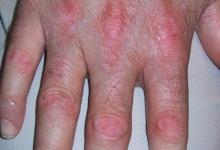
Whats New PsA? (4.3.2026)
Transcription
It's April 3rd, 2026. This is the RheumNow podcast. Hi, I'm Dr. Jack Cush. RheumNow.
This week on the podcast, a lot of reports from the American Academy of Dermatology annual meeting held this week. A number of reports on psoriatic arthritis and psoriasis, and safety warnings from the FDA on avacopan.
Let's start out with a little bit on pregnancy. There were a few interesting reports on pregnancy this week. One comes from the LUNA registry. This is a registry of lupus patients followed during pregnancy and this was a retrospective analysis of first pregnancies and sought to establish whether there was an association between fetal loss and autoantibodies. What they found in the study, which was a sizable study — 247 pregnancies, 194 live births, 53 fetal losses — they showed that fetal loss was definitely and significantly associated with antiphospholipid syndrome or antiphospholipid antibodies. Patients who are positive for those antibodies had a two-and-a-half-fold higher risk. Same for patients requiring pulse steroids. Pulse steroids is always associated with bad things because of the reason you're giving the pulse steroids. But there was no significant association with SSA or Ro antibody positivity and fetal loss. It was an odds ratio of 1.3 but it overlapped one, making it not significant.
Similarly, other types of analysis showed that when you compared Ro-positive versus Ro-negative pregnant outcomes, there was no difference in live births, no difference in preterm births. I think the live births were about 70% in both groups and preterm births were about 20% in both groups. So again — and I remember this question from my fellowship — SSA, we know it's associated with congenital heart block and neonatal lupus syndrome, but is it associated with fetal loss? There are some papers that do suggest this. I do think that this is probably the right answer: that SSA does not increase the risk of fetal loss.
An analysis of pregnancy in patients with myositis — either polymyositis or dermatomyositis — from five retrospective cohorts showed that myositis patients have significantly higher risk of hypertensive disorder associated with pregnancy, almost a three-fold higher risk, and a two-fold higher risk of C-sections. The infants born to women with myositis also had a higher risk of preterm birth, small for gestational age, and intrauterine growth retardation, and those were all significant.
There was another study that I think we reported from past meetings — I want to say EULAR last year — and now it came around to publication. This is a comparison of the PARA and PRECAR pregnancy cohorts. What they did here was they looked at these two cohorts from two different eras. The PARA registry cohort was 245 pregnancies followed from 2002 to 2010. The PRECAR was 215 pregnancies from 2011 to 2023. The PRECAR group were being managed in a treat-to-target manner, so it was reflecting two different eras of RA pregnancy management. They looked at time to pregnancy — to conceive and become pregnant — in both cohorts as signs of success. It turns out that the median time to pregnancy was 251 days in the PARA group and 91 days in the PRECAR group, meaning it was better when women with RA who wanted to be pregnant were being treated in a treat-to-target manner. Being pregnant within the first year of trying was also much higher in the treat-to-target PRECAR group — 77% versus 42% in the PARA group. In the PRECAR group it was noted that 61% of patients were in remission. So again, smart vigilant management of pregnancy leads to better outcomes. You have to have a healthy mom to make a healthy baby, do you not?
A number of reports on psoriatic arthritis. The AFFINITY trial was published recently. It was a combination biologics therapy study — a pilot study. There are a few very large combination biologic studies that are out there. This one — this was Hossler's group that put this together. It was 91 patients who were active and incomplete responders to prior therapy, and they were given either guselkumab monotherapy or guselkumab plus golimumab combination therapy. The primary endpoint was minimal disease activity at week 24, MDA. It did not meet its primary endpoint, and that was surprising because most of the new combination trials, especially in psoriasis, look really good — and this is a psoriatic arthritis trial, of course, with 91 patients. The MDA was 29% with combo and 22% with guselkumab, the IL-23 inhibitor alone — not significant. But all other articular outcomes — and let's put it this way — MDA response was significant when you looked at the patients who had an elevated CRP of greater than 0.3 milligrams per deciliter, and
there the odds ratio was like you know before was only 1.44 not significant um but if you had the CRP proviso high CRP odds of having an MDA response was 12-fold higher but ACR50 ACR20 ACR70 responses were significantly higher with combination versus monotherapy ACR50 was 32 versus 5%. P.003 ACR20 66 versus 44% ACR70 27 versus 16%. So this is highly significant. This is going to go in that list of trials you'll be hearing about where combination therapy which previously you weren't allowed to combine biologics right was thought to be risky. It was thought to not have additional efficacy and may increase the risk of infections. It is not yet approved, right? Um but we're going to see more of these trials coming out and you know how you use them, it has to be again with patients with informed consent. Um I again I think this is early data that is encouraging but not yet paradigm shifting.
Um, AXIS was an international prospective study of over 400 psoriatic arthritis patients looking at rates of axial involvement dependent on how you really defined it. But they found using um imaging uh in 27% of patients with psoriatic arthritis had axial disease. Patients with axial um PsA were significantly younger by only two years, more likely to be male by 5%. More likely to be HLA-B27 positive, 22% versus 11%. And have inflammatory back pain, not surprisingly, 75% versus 43%. And they had higher CRP levels. So this is a different animal, right? And we certainly know that there's some subset. We've always said it was what I think we always said it was around 20% of PsA patients would have axial disease. This one by imaging said it was 27%. And when that's present, that might change the paradigm on how you treat them. And we have trials going on in that going forward.
I don't know if you saw this recent data. I want to say this was um covered in JAMA but um I read about this on Medscape um psychiatrists are number one there's a shortage of psychiatrists uh and they use as that evidence of that that psychiatrists have a Medicare opt-out rate of 8%. And I thought, well, gee, that's not that bad. But when you look at all other specialties, all MDs, it's only 1.2%. If you look at rheumatologists, it's like 2 to 3%. Medicare opt-out rates in psychiatry, 8%. And that's led to a critical shortage of psychiatrists. What are the consequences of that? Well, antipsychotic um prescriptions uh 40% of them are being written now by advanced practice providers, nurse practitioners and physician associates. 40%. And why? Well, they're filling the gap that psychiatrists are unable to fill. This is important to medicine overall, healthcare overall, but it's important to rheumatology. This is going to happen. You can't take care of all RA patients or all lupus patients or all spondylitis patients. And I think APPs are going to be filling that gap. Which means that A, you should be working with APPs. B, there should be serious um great educational um onboarding educational programs for APPs when they work with you or in your system. And you should really be demanding that. I know that they're going to like it. um they'll have greater comfort in managing their patients, managing your patients.
Uh another trial um this week looked at RA-ILD and you know it's a difficult issue. We don't know what the right therapy is. You know there there are new drugs like nintedanib, pirfenidone, and others. Um but what about DMARDs and biologics? Well, what we've talked about in the past coverage of ACR and EULAR is that RA patients who are treated aggressively with DMARDs and biologics have less and less severe ILD. So there is a role but which is the best or which is the safest. So a target trial emulation trial was done and uh in this trial they had they've found cohorts um 694 on abatacept 156 on a JAK inhibitor almost 400 on IL-6 734 on TNF and after propensity matching and they compared safety outcomes to patients who were on rituximab. So these are RA-ILD patients taking those drugs rituximab, abatacept, JAK inhibitors, IL-6 inhibitors and TNF inhibitors and they found no significant differences when it came to important outcomes like respiratory hospitalization, lung transplant and death. The hazard ratios um on these range from 0.74 to 1.09 with no significant difference between them. The only standout here was that patients treated with abatacept and JAK inhibitors um had less death compared to rituximab. Interesting. How much less death? 16% less with abatacept, 38% less with JAK inhibitors. Again, is that casual or causal? Again, this is what you get with target trial emulation trials. They're just taking large cohorts and then subsetting patients and doing comparisons and trying to get a take-home message. At best, these are not proof of principle. These are hypothesis generating or they're meant to make you feel good about yourself when no other data is available.
Uh again at AAD
this week they presented new data on another new TYK2 inhibitor. We have deucravacitinib, recently approved for psoriatic arthritis, approved for psoriasis. We have behind it another TYK2 inhibitor in play called zasocitinib. And at this meeting they presented two large phase three randomized control trials called Onward One and Onward Two. And the drug is called izokibep — interesting — and it was superior in these trials being compared to placebo and to apremilast in 1,700 plaque psoriasis patients. So it was superior to apremilast and superior to placebo. I think that's encouraging data. We'll look forward to more TYK2 development in the world of psoriatic disease.
Speaking of psoriatic disease, the big report that we made a big report about about a month ago — when I mentioned the TOGETHER PSO trial and the TOGETHER PSA trial — the TOGETHER PSA trial was presented at AAD and it was also published this week in Arthritis and Rheumatology. So ixekizumab with tirzepatide is more effective than ixekizumab alone in psoriatic arthritis patients who are either overweight or obese. It's called the TOGETHER PSA trial, a phase 3b trial of 52 weeks. They looked at a 36-week endpoint. The primary endpoint in this trial was an ACR50 plus achieving 10% weight loss. The patients that were enrolled had active disease. They had to have either overweight by BMI 25 to 30 plus a risk factor, or be obese at a BMI of greater than 30 to be enrolled.
The primary endpoint — ACR50 plus weight loss — was achieved in 32% in the combination arm and only 0.8% in the ixekizumab group alone. The many other secondary endpoints also favored the combination. ACR50 responses alone were higher with the combination. So ixekizumab alone in psoriatic arthritis was 20% ACR50 — not bad — but it was 33.5% when you added tirzepatide, suggesting there may be either additional clinical benefit because of the weight loss, or there's an additional anti-inflammatory or immunologic benefit when you use the combination. Same thing — ACR20 was significantly higher, as was the MDA response, PASI scores, HAQDI scores, and FACIT scores, the fatigue outcome measure. So this is important data, and I think we'll be seeing more of this kind of data in the future. And you know, this is another kind of combination therapy, is it not.
So the other big report this week in the New England Journal was brepocitinib, a TYK2/JAK1 inhibitor, 241 patients in a phase three trial, double-blind randomized placebo-controlled trial, in patients with active skin and muscle disease that was felt to be refractory — meaning they did not respond to standard treatments with steroids, DMARDs like methotrexate, or IVIG. The patients were enrolled and treated with the oral drug given as either 30 milligrams brepocitinib once a day oral pill, or brepocitinib 15 mg, or placebo. The brep 30 mg had a significant response of 46.5%, comparable placebo response of 31.2%. The low-dose brepocitinib was basically equivalent to placebo, so the higher dose was needed. This was very encouraging, great data, but there was one small Achilles heel to that, and that's that there were more serious infectious events on the brep 30 mg dose group at 10% serious infection rate — that's high — versus the 1% serious infection rate with placebo, which is about what you like to see. We need to see more trials like this, but this seems to be pivotal data that will be used probably in an application for use.
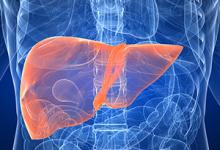
Last report: the FDA came out this week with a safety warning letter about avacopan and serious liver injury. We had talked about this in the past. It's in the package insert. It's not really a big surprise, but when they looked at an analysis going up to late October 2024 — just reporting it now, I'm not sure why there's a delay here, other than it's just an FDA safety bulletin — as of October 2024, the FDA identified 76 cases of drug-induced serious liver injury with what they described as reasonable evidence of a causal association with avacopan use. 74 of the 76 cases had a serious outcome, including 54 with hospitalization and eight deaths. Amongst the 76 were seven cases of biopsy-confirmed vanishing bile duct syndrome, VBDS. Never heard of it before this report. It's a rare disease, a rare complication. And when you look up VBDS on PubMed, it's associated with malignancies, and it's been associated with checkpoint inhibitor therapy. It has not been associated with vasculitis — the indication for which you would use avacopan, approved in 2021 or 2022 I think, for ANCA-associated vasculitis, GPA, MPA. VBDS is not associated with or a consequence of that, or the other therapies that are used to treat that. So that's sort of bad news.
And something you know, it's still a rare event. There were seven of these cases of VBDS amongst — sorry, no — among 76 reports the FDA identified, so one-tenth of all drug-induced liver injury could have this problem. Three of those seven VBDSs did have a fatal outcome, and that's a little scary, is it not?
Anyway, interesting news this week. On the podcast you can go to the website, check out these citations and more. We'll talk to you next week, take care.
This week on the podcast, a lot of reports from the American Academy of Dermatology annual meeting held this week. A number of reports on psoriatic arthritis and psoriasis, and safety warnings from the FDA on avacopan.
Let's start out with a little bit on pregnancy. There were a few interesting reports on pregnancy this week. One comes from the LUNA registry. This is a registry of lupus patients followed during pregnancy and this was a retrospective analysis of first pregnancies and sought to establish whether there was an association between fetal loss and autoantibodies. What they found in the study, which was a sizable study — 247 pregnancies, 194 live births, 53 fetal losses — they showed that fetal loss was definitely and significantly associated with antiphospholipid syndrome or antiphospholipid antibodies. Patients who are positive for those antibodies had a two-and-a-half-fold higher risk. Same for patients requiring pulse steroids. Pulse steroids is always associated with bad things because of the reason you're giving the pulse steroids. But there was no significant association with SSA or Ro antibody positivity and fetal loss. It was an odds ratio of 1.3 but it overlapped one, making it not significant.
Similarly, other types of analysis showed that when you compared Ro-positive versus Ro-negative pregnant outcomes, there was no difference in live births, no difference in preterm births. I think the live births were about 70% in both groups and preterm births were about 20% in both groups. So again — and I remember this question from my fellowship — SSA, we know it's associated with congenital heart block and neonatal lupus syndrome, but is it associated with fetal loss? There are some papers that do suggest this. I do think that this is probably the right answer: that SSA does not increase the risk of fetal loss.
An analysis of pregnancy in patients with myositis — either polymyositis or dermatomyositis — from five retrospective cohorts showed that myositis patients have significantly higher risk of hypertensive disorder associated with pregnancy, almost a three-fold higher risk, and a two-fold higher risk of C-sections. The infants born to women with myositis also had a higher risk of preterm birth, small for gestational age, and intrauterine growth retardation, and those were all significant.
There was another study that I think we reported from past meetings — I want to say EULAR last year — and now it came around to publication. This is a comparison of the PARA and PRECAR pregnancy cohorts. What they did here was they looked at these two cohorts from two different eras. The PARA registry cohort was 245 pregnancies followed from 2002 to 2010. The PRECAR was 215 pregnancies from 2011 to 2023. The PRECAR group were being managed in a treat-to-target manner, so it was reflecting two different eras of RA pregnancy management. They looked at time to pregnancy — to conceive and become pregnant — in both cohorts as signs of success. It turns out that the median time to pregnancy was 251 days in the PARA group and 91 days in the PRECAR group, meaning it was better when women with RA who wanted to be pregnant were being treated in a treat-to-target manner. Being pregnant within the first year of trying was also much higher in the treat-to-target PRECAR group — 77% versus 42% in the PARA group. In the PRECAR group it was noted that 61% of patients were in remission. So again, smart vigilant management of pregnancy leads to better outcomes. You have to have a healthy mom to make a healthy baby, do you not?
A number of reports on psoriatic arthritis. The AFFINITY trial was published recently. It was a combination biologics therapy study — a pilot study. There are a few very large combination biologic studies that are out there. This one — this was Hossler's group that put this together. It was 91 patients who were active and incomplete responders to prior therapy, and they were given either guselkumab monotherapy or guselkumab plus golimumab combination therapy. The primary endpoint was minimal disease activity at week 24, MDA. It did not meet its primary endpoint, and that was surprising because most of the new combination trials, especially in psoriasis, look really good — and this is a psoriatic arthritis trial, of course, with 91 patients. The MDA was 29% with combo and 22% with guselkumab, the IL-23 inhibitor alone — not significant. But all other articular outcomes — and let's put it this way — MDA response was significant when you looked at the patients who had an elevated CRP of greater than 0.3 milligrams per deciliter, and
there the odds ratio was like you know before was only 1.44 not significant um but if you had the CRP proviso high CRP odds of having an MDA response was 12-fold higher but ACR50 ACR20 ACR70 responses were significantly higher with combination versus monotherapy ACR50 was 32 versus 5%. P.003 ACR20 66 versus 44% ACR70 27 versus 16%. So this is highly significant. This is going to go in that list of trials you'll be hearing about where combination therapy which previously you weren't allowed to combine biologics right was thought to be risky. It was thought to not have additional efficacy and may increase the risk of infections. It is not yet approved, right? Um but we're going to see more of these trials coming out and you know how you use them, it has to be again with patients with informed consent. Um I again I think this is early data that is encouraging but not yet paradigm shifting.
Um, AXIS was an international prospective study of over 400 psoriatic arthritis patients looking at rates of axial involvement dependent on how you really defined it. But they found using um imaging uh in 27% of patients with psoriatic arthritis had axial disease. Patients with axial um PsA were significantly younger by only two years, more likely to be male by 5%. More likely to be HLA-B27 positive, 22% versus 11%. And have inflammatory back pain, not surprisingly, 75% versus 43%. And they had higher CRP levels. So this is a different animal, right? And we certainly know that there's some subset. We've always said it was what I think we always said it was around 20% of PsA patients would have axial disease. This one by imaging said it was 27%. And when that's present, that might change the paradigm on how you treat them. And we have trials going on in that going forward.
I don't know if you saw this recent data. I want to say this was um covered in JAMA but um I read about this on Medscape um psychiatrists are number one there's a shortage of psychiatrists uh and they use as that evidence of that that psychiatrists have a Medicare opt-out rate of 8%. And I thought, well, gee, that's not that bad. But when you look at all other specialties, all MDs, it's only 1.2%. If you look at rheumatologists, it's like 2 to 3%. Medicare opt-out rates in psychiatry, 8%. And that's led to a critical shortage of psychiatrists. What are the consequences of that? Well, antipsychotic um prescriptions uh 40% of them are being written now by advanced practice providers, nurse practitioners and physician associates. 40%. And why? Well, they're filling the gap that psychiatrists are unable to fill. This is important to medicine overall, healthcare overall, but it's important to rheumatology. This is going to happen. You can't take care of all RA patients or all lupus patients or all spondylitis patients. And I think APPs are going to be filling that gap. Which means that A, you should be working with APPs. B, there should be serious um great educational um onboarding educational programs for APPs when they work with you or in your system. And you should really be demanding that. I know that they're going to like it. um they'll have greater comfort in managing their patients, managing your patients.
Uh another trial um this week looked at RA-ILD and you know it's a difficult issue. We don't know what the right therapy is. You know there there are new drugs like nintedanib, pirfenidone, and others. Um but what about DMARDs and biologics? Well, what we've talked about in the past coverage of ACR and EULAR is that RA patients who are treated aggressively with DMARDs and biologics have less and less severe ILD. So there is a role but which is the best or which is the safest. So a target trial emulation trial was done and uh in this trial they had they've found cohorts um 694 on abatacept 156 on a JAK inhibitor almost 400 on IL-6 734 on TNF and after propensity matching and they compared safety outcomes to patients who were on rituximab. So these are RA-ILD patients taking those drugs rituximab, abatacept, JAK inhibitors, IL-6 inhibitors and TNF inhibitors and they found no significant differences when it came to important outcomes like respiratory hospitalization, lung transplant and death. The hazard ratios um on these range from 0.74 to 1.09 with no significant difference between them. The only standout here was that patients treated with abatacept and JAK inhibitors um had less death compared to rituximab. Interesting. How much less death? 16% less with abatacept, 38% less with JAK inhibitors. Again, is that casual or causal? Again, this is what you get with target trial emulation trials. They're just taking large cohorts and then subsetting patients and doing comparisons and trying to get a take-home message. At best, these are not proof of principle. These are hypothesis generating or they're meant to make you feel good about yourself when no other data is available.
Uh again at AAD
this week they presented new data on another new TYK2 inhibitor. We have deucravacitinib, recently approved for psoriatic arthritis, approved for psoriasis. We have behind it another TYK2 inhibitor in play called zasocitinib. And at this meeting they presented two large phase three randomized control trials called Onward One and Onward Two. And the drug is called izokibep — interesting — and it was superior in these trials being compared to placebo and to apremilast in 1,700 plaque psoriasis patients. So it was superior to apremilast and superior to placebo. I think that's encouraging data. We'll look forward to more TYK2 development in the world of psoriatic disease.
Speaking of psoriatic disease, the big report that we made a big report about about a month ago — when I mentioned the TOGETHER PSO trial and the TOGETHER PSA trial — the TOGETHER PSA trial was presented at AAD and it was also published this week in Arthritis and Rheumatology. So ixekizumab with tirzepatide is more effective than ixekizumab alone in psoriatic arthritis patients who are either overweight or obese. It's called the TOGETHER PSA trial, a phase 3b trial of 52 weeks. They looked at a 36-week endpoint. The primary endpoint in this trial was an ACR50 plus achieving 10% weight loss. The patients that were enrolled had active disease. They had to have either overweight by BMI 25 to 30 plus a risk factor, or be obese at a BMI of greater than 30 to be enrolled.
The primary endpoint — ACR50 plus weight loss — was achieved in 32% in the combination arm and only 0.8% in the ixekizumab group alone. The many other secondary endpoints also favored the combination. ACR50 responses alone were higher with the combination. So ixekizumab alone in psoriatic arthritis was 20% ACR50 — not bad — but it was 33.5% when you added tirzepatide, suggesting there may be either additional clinical benefit because of the weight loss, or there's an additional anti-inflammatory or immunologic benefit when you use the combination. Same thing — ACR20 was significantly higher, as was the MDA response, PASI scores, HAQDI scores, and FACIT scores, the fatigue outcome measure. So this is important data, and I think we'll be seeing more of this kind of data in the future. And you know, this is another kind of combination therapy, is it not.
So the other big report this week in the New England Journal was brepocitinib, a TYK2/JAK1 inhibitor, 241 patients in a phase three trial, double-blind randomized placebo-controlled trial, in patients with active skin and muscle disease that was felt to be refractory — meaning they did not respond to standard treatments with steroids, DMARDs like methotrexate, or IVIG. The patients were enrolled and treated with the oral drug given as either 30 milligrams brepocitinib once a day oral pill, or brepocitinib 15 mg, or placebo. The brep 30 mg had a significant response of 46.5%, comparable placebo response of 31.2%. The low-dose brepocitinib was basically equivalent to placebo, so the higher dose was needed. This was very encouraging, great data, but there was one small Achilles heel to that, and that's that there were more serious infectious events on the brep 30 mg dose group at 10% serious infection rate — that's high — versus the 1% serious infection rate with placebo, which is about what you like to see. We need to see more trials like this, but this seems to be pivotal data that will be used probably in an application for use.
Last report: the FDA came out this week with a safety warning letter about avacopan and serious liver injury. We had talked about this in the past. It's in the package insert. It's not really a big surprise, but when they looked at an analysis going up to late October 2024 — just reporting it now, I'm not sure why there's a delay here, other than it's just an FDA safety bulletin — as of October 2024, the FDA identified 76 cases of drug-induced serious liver injury with what they described as reasonable evidence of a causal association with avacopan use. 74 of the 76 cases had a serious outcome, including 54 with hospitalization and eight deaths. Amongst the 76 were seven cases of biopsy-confirmed vanishing bile duct syndrome, VBDS. Never heard of it before this report. It's a rare disease, a rare complication. And when you look up VBDS on PubMed, it's associated with malignancies, and it's been associated with checkpoint inhibitor therapy. It has not been associated with vasculitis — the indication for which you would use avacopan, approved in 2021 or 2022 I think, for ANCA-associated vasculitis, GPA, MPA. VBDS is not associated with or a consequence of that, or the other therapies that are used to treat that. So that's sort of bad news.
And something you know, it's still a rare event. There were seven of these cases of VBDS amongst — sorry, no — among 76 reports the FDA identified, so one-tenth of all drug-induced liver injury could have this problem. Three of those seven VBDSs did have a fatal outcome, and that's a little scary, is it not?
Anyway, interesting news this week. On the podcast you can go to the website, check out these citations and more. We'll talk to you next week, take care.




If you are a health practitioner, you may Login/Register to comment.
Due to the nature of these comment forums, only health practitioners are allowed to comment at this time.