

Lupus Nephritis
Sponsored by RheumNow

Search for Terms or Answers

Current guidelines recommend limiting the use of glucocorticoids by coining the new concept of “bridging therapy”, that is, use GCs when the disease is active and get rid of them as soon as you can. This way of thinking is conceptually attractive, however, the formula for translation to real


Many of the common symptoms of lupus - fatigue, nociplastic pain, brain fog - can be invisible and difficult to measure, and can often co-occur with impaired sleep, depression and anxiety. These symptoms have led to a well described discordance between physician and patient perception of lupus

Dr. Diane Kamen. a rheumatologist and lupologist from the Medical University of South Carolina in Charleston, South Carolina, discusses the use of mychophenolate in the management of systemic lupus.

Imagine a world where the multiple drugs in Phase 2 and 3 trials actually get approved, and we get access to them? I know you may be thinking that I am overly optimistic, but there are so many drugs in development in lupus that we may have true difficulty choosing what to use.

Sodium-Glucose Cotransporter 2 Inhibitors (SGLT2i) and Glucagon-like peptide-1 receptor agonists (GLP1-RA) were initially developed as glucose-lowering agents for the treatment of Type 2 Diabetes. Since their introduction, they have been noted to have a myriad of other benefits, including

A post hoc analysis of a belimumab (BEL) inn systemic lupus erythematosus (SLE) study showed lupus mucocutaneous and vasculitic manifestations improve with BEL and standard care.
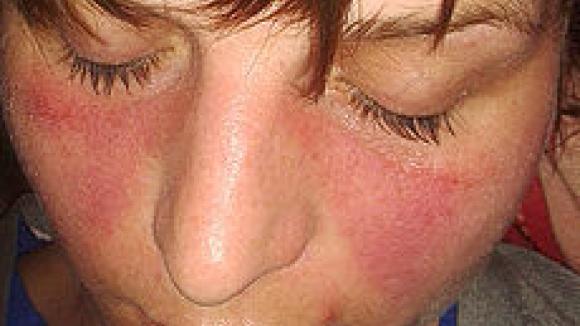
Lupus valvulitis is a rare cardiac manifestation of active systemic lupus erythematosus (SLE) and is defined by inflammation of one or more cardiac valves. It is often associated with Libman-Sacks endocarditis, which is characterized by the presence of sterile vegetations on the heart

An observational cohort study was started in Toronto by Dr. Murray Urowitz in 1970. The program was set up as a specialized clinic to provide care for patients with lupus, to study clinical laboratory correlations in the disease, and to better understand long-term outcomes of the disease. What

Outcomes in lupus nephritis are akin to the glass half full. Serial monotherapy is out, as the percentage who achieved a complete renal response was very low and some went to end stage kidney disease (ESKD). Solutions?

The ACR has released its 2025 Systemic Lupus Erythematosus (SLE) treatment guidelines and consensus-based good practice statements, applicable to children and adults with SLE.
Overall, the goals of SLE management are to achieve remission or a low level disease activity, reduce morbidity

Children, teens, and young adults living with childhood-onset systemic lupus erythematosus (cSLE) require intense immunosuppressive treatments to prevent serious organ damage. By the mid-2010’s, multiple studies were published that showed high rates of depression, anxiety, and suicidal


Dr. Jack Cush reviews the news and journal reports from RheumNow.com - including views on the vagus nerve, NPSLE and CAR-T mania.

About 10 to 20% of all lupus patients are children, and the criteria to make the diagnosis of lupus are the same in pediatrics and adults. Why is pediatric lupus often more severe than adult-onset disease?

The paradigm for treating patients with systemic lupus erythematosus (SLE) is rapidly shifting and our patients will surely benefit with improved outcomes.
Clinical trial data quality is a moving target. Lupus is also a moving target. Can we address the moving target of lupus pathology with the moving targets of quality clinical trials and scientific treatment selection?

I'm very happy to give you some insights entitled, “Is Lupus a B-Cell Disorder”. I will review some aspects, mainly pros and cons, but at the end you may forgive me, I will escape a little bit from a clear yes or no.

Today I'm here to talk with you about steroids in lupus nephritis. The impetus for this is the 2024 ACR guideline for the management of lupus nephritis.

A large cohort, claims data study shows that among pregnant women receiving biologic therapies for autoimmune conditions, 72% continued their biologics pregnancy, more so among inflammatory bowel disease (IBD) patients than those with rheumatoid arthritis (RA), psoriasis (PsO) or psoriatic

Dr. Jack Cush reviews the news, journal and regulatory reports from this week on RheumNow.com. Interesting trends and results with prednisone in lupus, cannabis in RA and opioid deaths too!
It is well established that women with SLE are at increased risk for adverse pregnancy outcomes, including preeclampsia, preterm birth, and pregnancy loss. However, the pathophysiologic mechanisms driving these complications are not yet fully understood. In this article, we explore several

The ACR has published evidence-based and expert guidance for the screening, treatment, and management of lupus nephritis (LN). These are the same guidelines presented at ACR Convergence 2024.
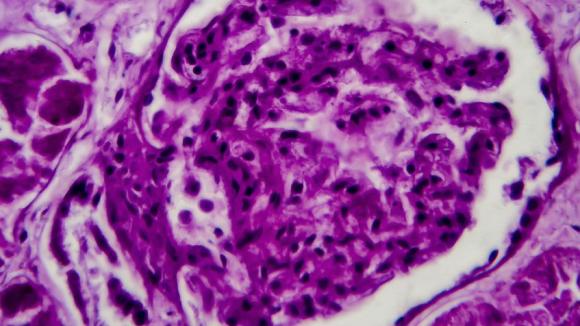
The full house immunofluorescence pattern is the classic histopathologic finding of lupus and lupus nephritis. Glomerular deposits staining for IgG, IgA, IgM, C3 and C1q can help confirm a suspected diagnosis of SLE. But what about patients with negative immunofluorescence and no proliferative

Recent reports on small numbers of lupus patients treated with CAR-T cells directed against CD19+ B lymphocytes have generated considerable excitement, not so much because the initial response to this therapy was favorable, but because after follow-up durations of two years or longer the





By downloading this material, I acknowledge that it may be used only for personal use and personal education and that I will accredit RheumNow.com as the source and owner of this material. Commercial use or mass reproduction of this material without permission from RheumNow (info@rheumnow.com) is prohibited.