

It's been nearly two weeks since EULAR 21 ended. There were several presentations on the last day; notably, the late breaking abstracts and others. Here are a few of my favorites from Day 4, the final day of the meeting.

"While the Food and Drug Administration decision on new drugs usually follows the recommendations of the advisory committee..."; this oft used proviso is used to either indicate a pending FDA decision or an FDA decision that is contrary to the recommendation of the advisory committee convened by the FDA to analyze the efficacy and safety of a new drug.

Subtle early bony changes in inflammatory arthritis can be hard even for experienced rheumatologists to interpret, even though they have traditionally been considered to become disease-defining as they progress. As computational techniques have become more sophisticated and more accessible, questions have been asked as to whether such technology can be harnessed to identify inflammatory arthritis more rapidly.

Psoriatic arthritis (PsA) is a chronic condition with manifold clinical presentations. Health issues may be far beyond the classical associated conditions like uveitis, enthesitis etc. The current study of Tillett et al (OP0231) assessed comorbidities and patient characteristics comparing psoriasis patients with or without PsA.

All of us are extremely cautious with lupus patients when it comes to pregnancy. Presentation 6888 (Common issues in pregnancy management in lupus and anti-phospholipid syndrome by Dr. Rebecca Fischer-Betz) was an excellent overview of our current approach to lupus and pregnancy.

Dr. Jack Cush reviews and highlights his favorite abstracts and presentations from last week's virtual EULAR 2021 meeting.

EULAR 2021 opened with a grand debate to answer this essential question: should clinicians treat to remission or to Lupus Low Disease Activity State (LLDAS)?
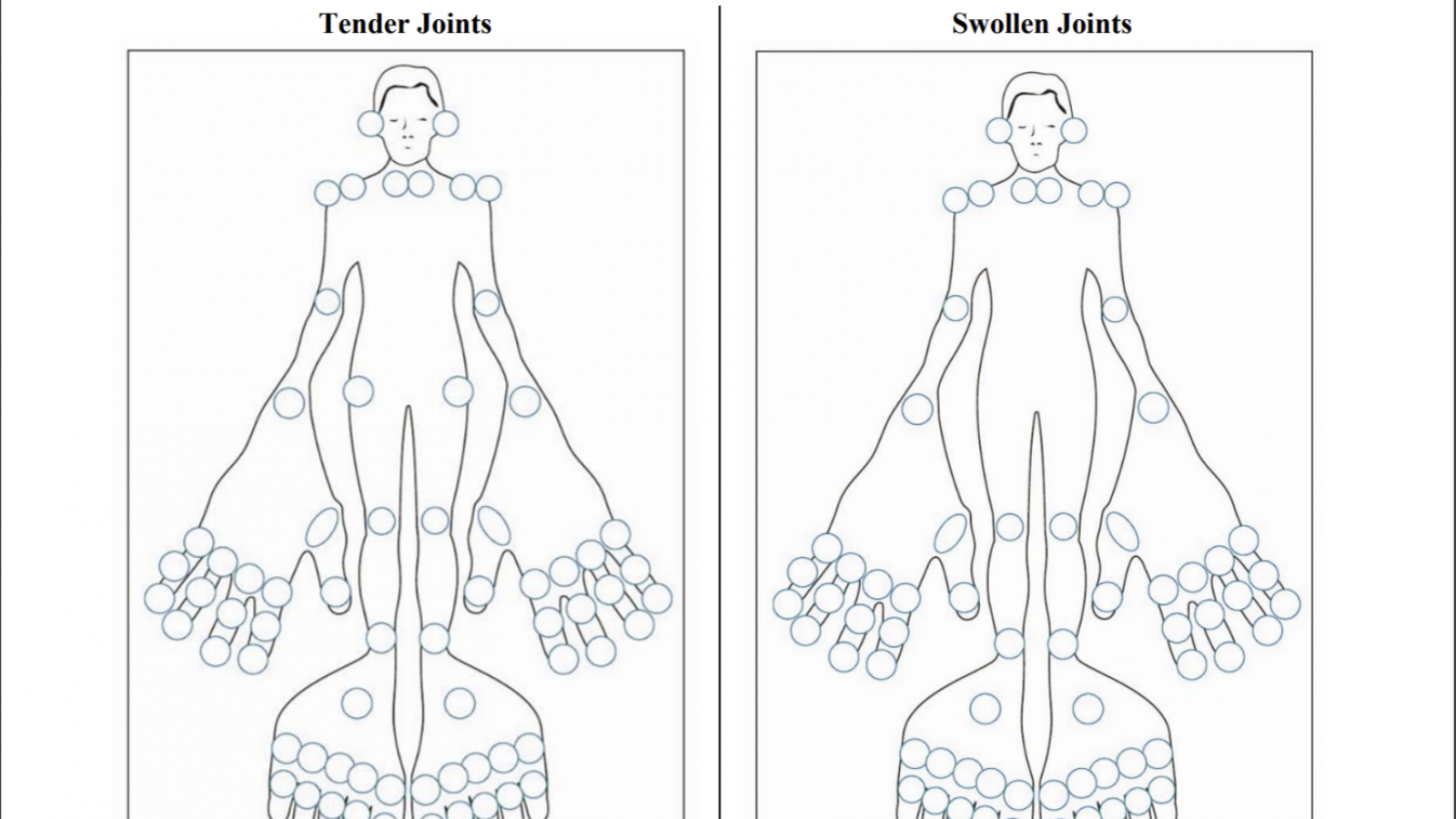
Given its multiple domains, there remains much discussion over the best disease activity scoring method in PsA. The proverbial "holy grail" would be a measure that is quick, intuitive, domain comprehensive and validated.

Despite being relatively common and frequently severe, RA-ILD has been a neglected area of research and indeed of clinical management in RA. In recent years we finally seem to have started making some progress in this area and this momentum has continued with a several interesting abstracts at EULAR 2021. Here are four selected for review.

RheumNow faculty reporters scoured the Posters and Presentations from virtual EULAR 2021. Several of these are novel enough to be worthy of your consideration. Below is the list of the six most often retweeted abstracts from Day 1.

An analysis of SLE samples from SLE 1760 patients with active disease from RCTs illustrated several known and some new targets for SLE treatment (POS0351).

Combination disease modifying antirheumatic drug (DMARD) therapy may not be only for rheumatoid arthritis; combining disease modifying agents may be the path to better renal response.
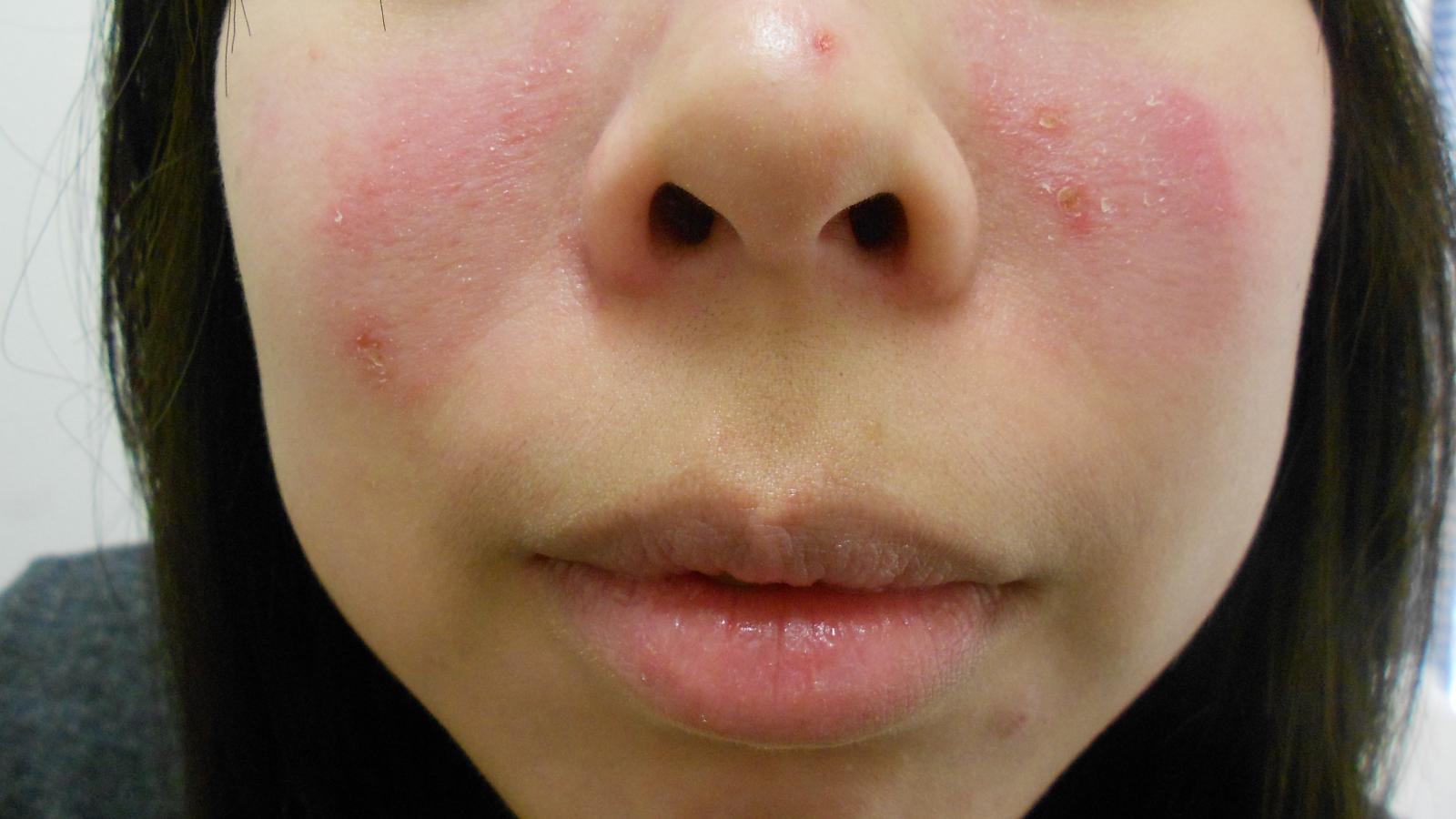
Cutaneous lupus erythematosus (CLE) consists of a wide range of dermatologic manifestations seen in people with or without systemic lupus erythematosus (SLE). CLE can be categorised into LE-specific lesions, i.e. acute CLE (ACLE), subacute CLE (SCLE) and chronic CLE (CCLE), and nonspecific LE skin lesions (e.g. vasculitis).
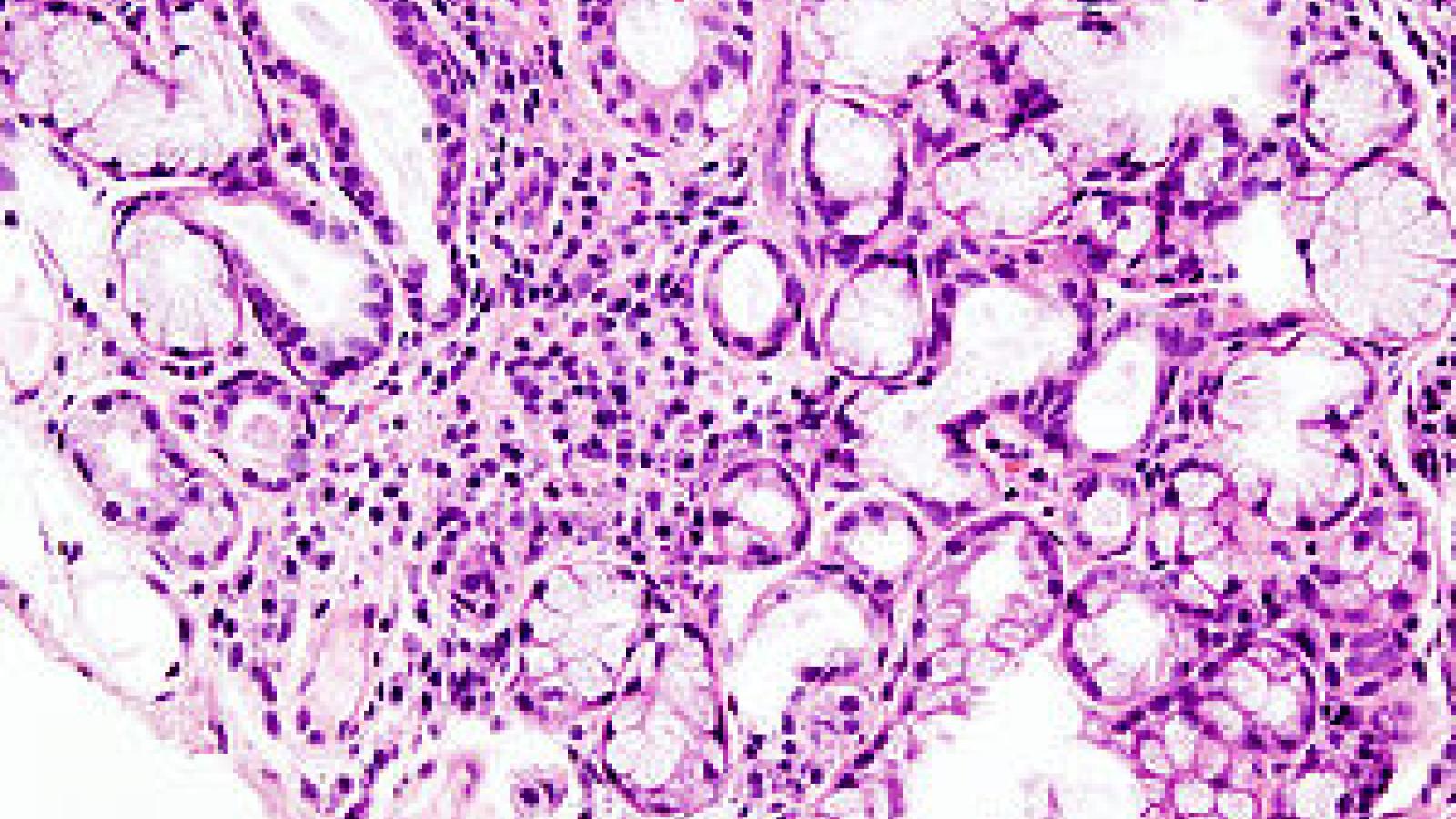
Patients with Sjogren’s syndrome are nearly 19 times more likely to develop lymphoma, so identifying factors that impact this risk development is a major goal in caring for this disorder. Many risk factors are established such as low C4, palpable purpura, parotid gland enlargement, and monoclonal gammopathy.

Here are a few notable presentations from this past Friday, Day 3 of the EULAR 2021 virtual meeting.

