

Day 3 at the annual meeting was rich with information. Yet the most anticipated and best attended session was the Late Breaking Abstracts and the session revealing the new ACR/NPF Guidelines for Psoriatic Arthritis (more on the latter in another report). Day 4 was full of review sessions and a modicum of original content and for me, the 7:30AM Rheumatology Roundup.

With ACR 2017 winding down and the sheer volume of information seemingly overwhelming, I wanted to take the time to write an article regarding a few tips I learned that I will use in clinical practice.

A number of presentations over the past few days have addressed the health economics of SLE.

While the incidence of pneumocystis pneumonia (PJP) is low is patients with rheumatologic diseases the mortality is quite high compared to PJP in patients with HIV and infection can be prevented with appropriate prophylaxis.
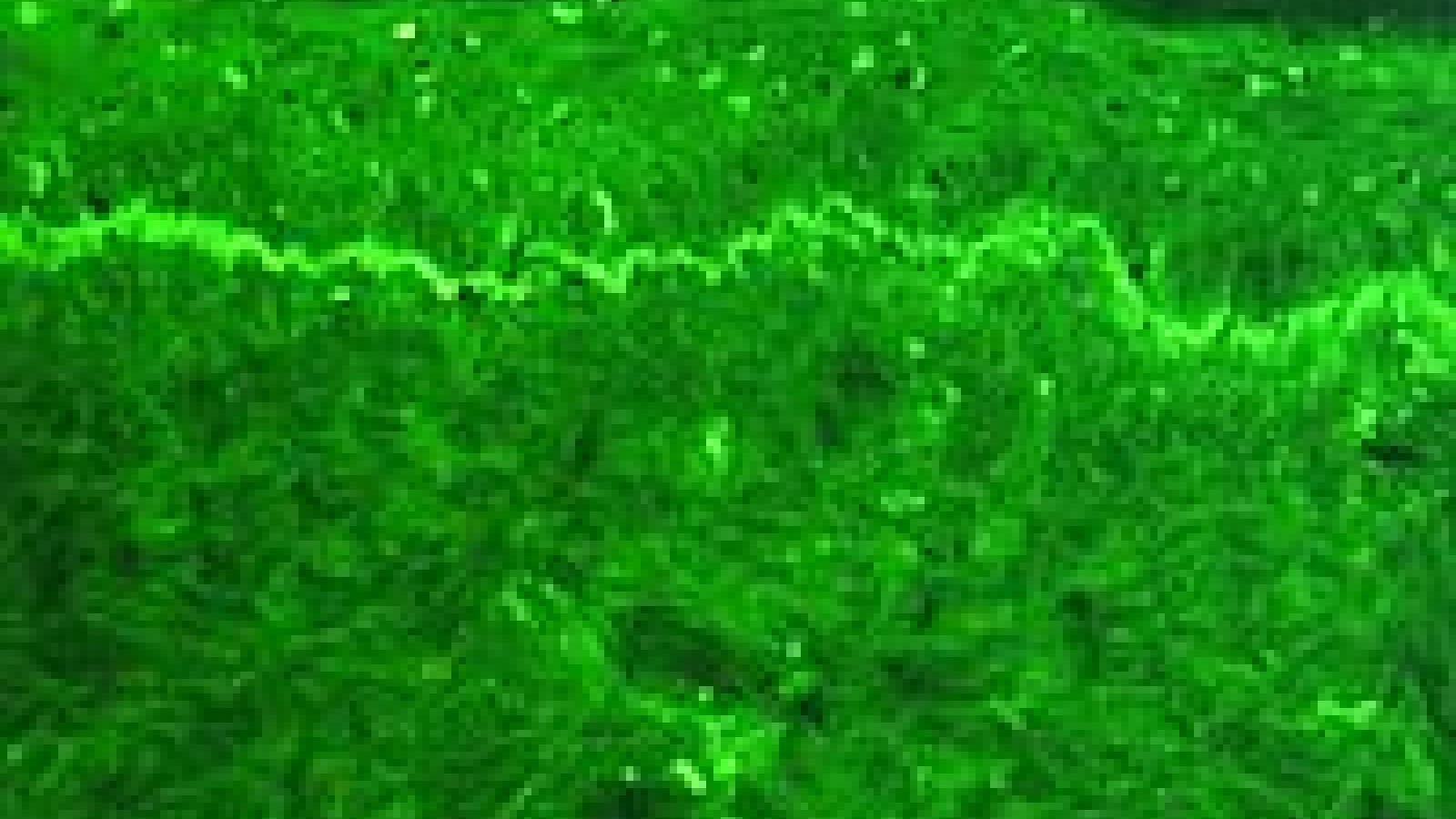
In this session we were given new data on ustekinumab for SLE (abstract 6L). Ustekinumab is an IL12/23 agent already approved for use in psoriasis, psoriatic arthritis and Cohn’s disease.

In the registration trials for febuxostat there were concerns about a cardiovascular (CV) safety signal. In studies of the effect of allopurinol on CV risk/events allopurinol has found to be protective so whether febuxostat is different is a point to clarify.
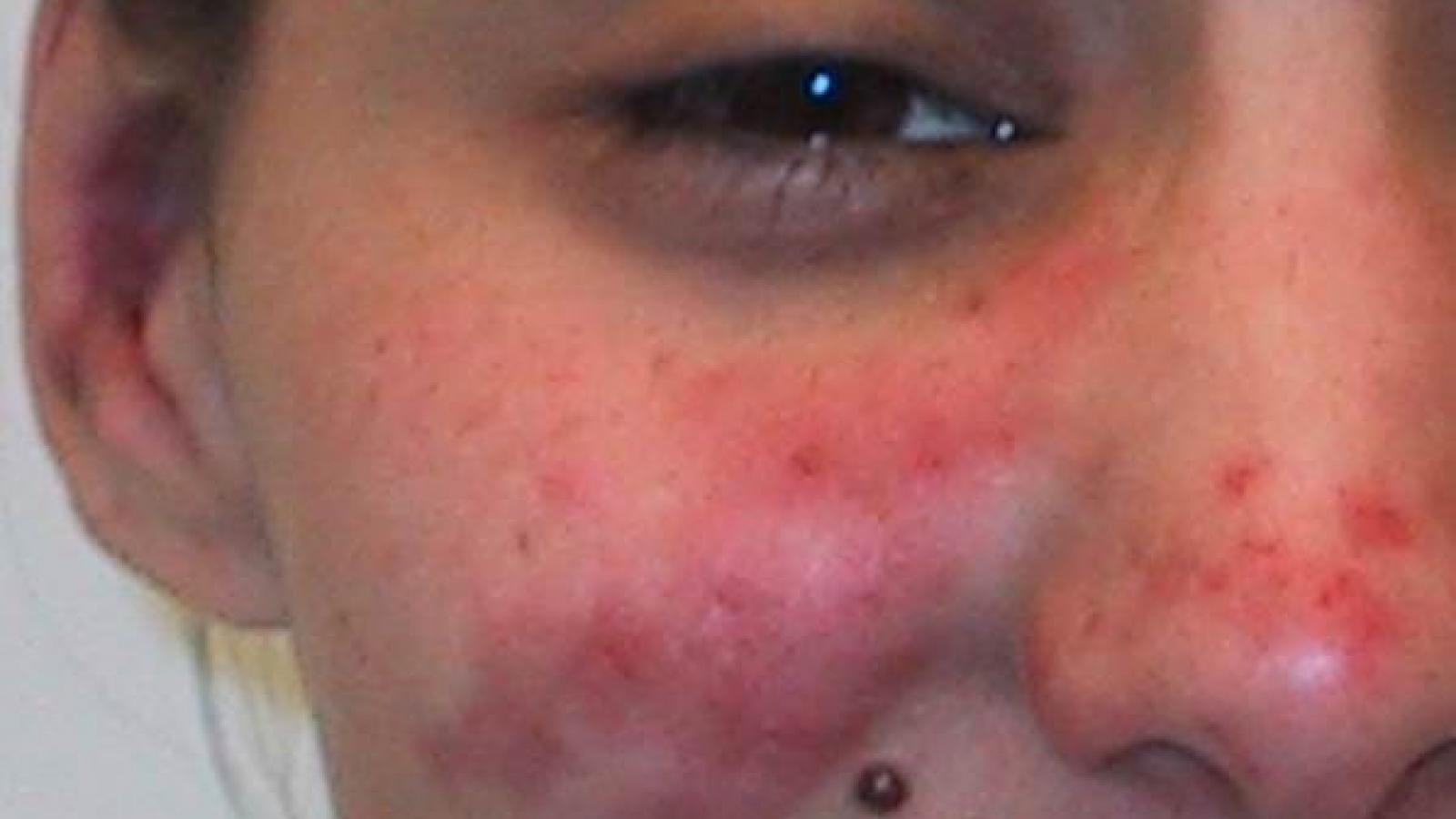
Today the draft of the new EULAR/ACR lupus classification criteria was presented at the ACR 2017.

During today’s plenary session Micheal D. George, et al. presented results of a study that sought to compare risk of post-op infections in RA patients undergoing arthroplasty exposed to biologic DMARDs versus methotrexate.

As a follow up to Dr. Will Harvey’s lecture at ACR 2017 (session title: Holy MACRA! How to Survive and Thrive in the New Era of MACRA, MIPS, and APMs), here are the keys for reporting your collections.
With the emergence of new MOAs for the treatment of psoriatic arthritis in recent years, the most burning question remained if newer agents would perform as well in terms of radiographic progression as they did in clinical domains.

We take many things for granted. I walked 11,151 steps today going from sessions to posters and exhibit halls to learn as much as I can to take back to my clinic so I can help my patients. My feet were hurting, and my back bothered me as I tried to get comfortable for the next lecture; yet, these minor discomforts are nothing compared to what our patients experience on a daily basis.

Check out this compilation of our ACR17 Day 2 videocasts merged into a one hour podcast !
In the afternoon on Monday, the ACR ran a clinical symposium on gout. One presentation stood out, on “Asymptomatic hyperuricemia” (AH) by M. Pillinger, MD from NYU Medical School. At issue is when should AH be treated. He showed impressive data by Feig, wherein adolescents with hypertension and a high SUA were treated with either placebo or urate lowering therapy (ULT).
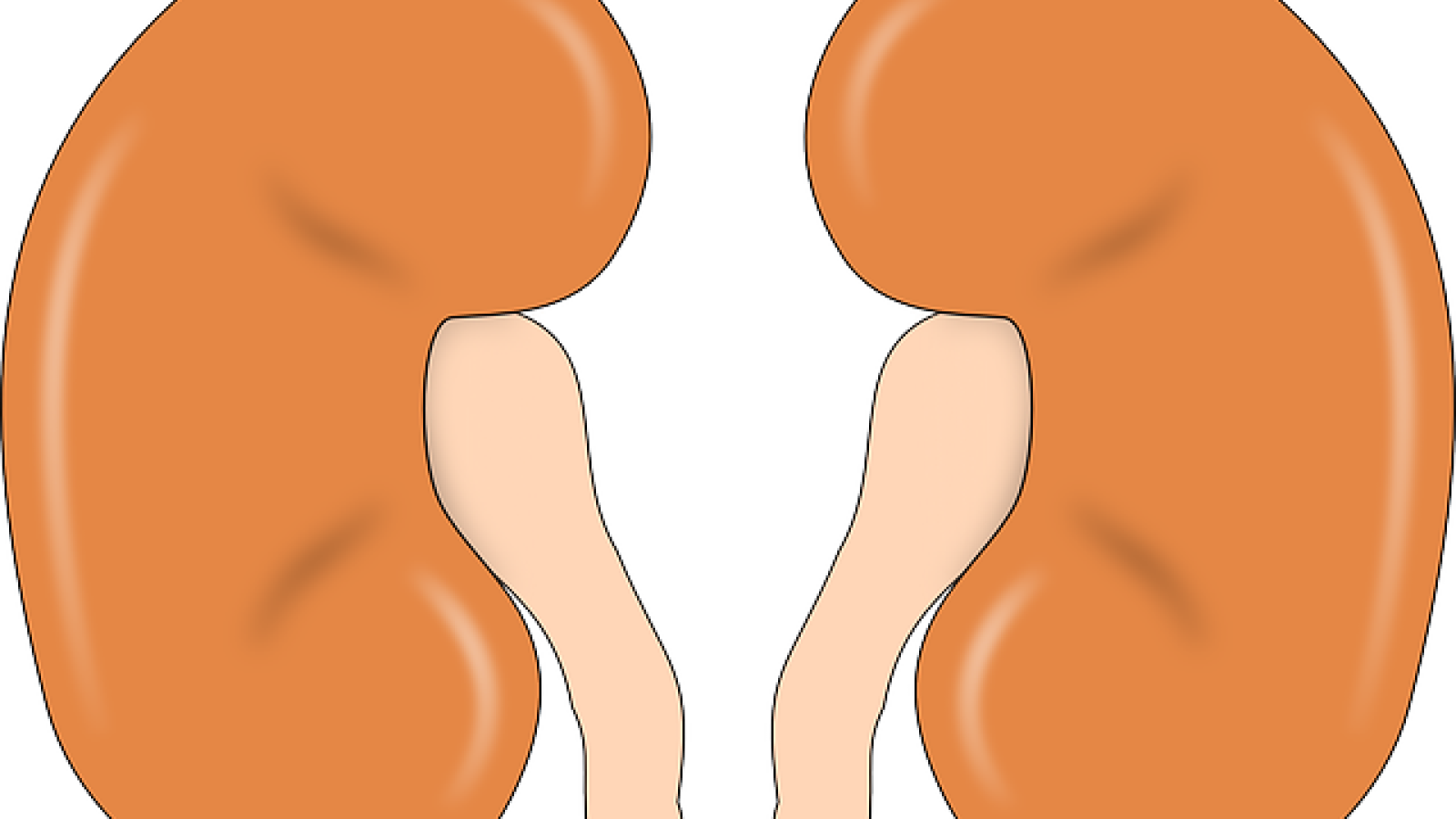
Even with currently available treatment modalities, ESRD is a common complication of Granulomatosis with polyangiitis (GPA) occurring in approximately 25% of patients. Transplantation frequently used for ESRD but has not been applied widely in GPA. Current analysis is aimed at evaluation of benefits of transplantation in extending surgical or prisons with GPA comparing to remaining on waiting list.
IgG4 related fibrosis is rare condition with little data available on its diagnosis and treatment.

