


News
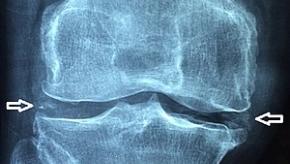
Expert Perspective on Calcium Pyrophosphate Deposition Disease
A recent perspective by Tedeschi tackles many unresolved issues around CPPD diagnosis, classification, and management, including the lack of clinical trials or FDA approved treatments.
Pragmatism in Gout: How therapeutic choices can have multiple benefits
William James famously wrote in Pragmatism, “There can be no difference anywhere that doesn’t make a difference elsewhere.” Gout treatment offers a striking medical example of that idea.

The Hidden Cost of Gout
For many people, gout is viewed as an episodic disease: a painful flare, a short course of treatment, and then life returns to normal. However, as rheumatologists, we know that recurrent attacks can lead to joint damage and tophi if left untreated. Furthermore, the true burden of gout extends far beyond the musculoskeletal system.
Fibromyalgia: Diagnosis and Management
Fibromyalgia (FM) affects 4–6% of the U.S. population, with nearly a 2 fold female predominance. Nociplastic pain underlies the pathophysiology of FM. CNS hypersensitization to both painful and non-painful stimuli occurs with little or no tissue pathology. Framing FM as a disorder of CNS processing is critical to diagnosis, treatment approaches and patient buy-in.
Psoriatic Arthritis: EULAR 2026 Recap
Years of IL-17 vs. IL-23 debate in PsA finally got tested head-to-head: bimekizumab outperformed risankizumab on joint outcomes in the BE BOLD trial, while a GLP-1 combination study suggests weight and metabolic status are active drivers of PsA — not just comorbidities. This recap also digs into early signals that biologic choice may influence whether psoriasis progresses to PsA, and why some well-controlled patients are still in pain.
Seronegative RA Disease Activity (7.17.2026)
Dr. Jack Cush reviews the news, journal articles and Gout features from this past week on RheumNow.com.
ACR: Medicare Cuts for Physicians Highlight Need for Reform
ACR
The American College of Rheumatology (ACR) was disappointed that the proposed Medicare Physician Fee Schedule (MPFS) from the Centers for Medicare & Medicaid Services (CMS) once again included a serious cut to the conversion factor.
The Marriage between Gout and the Kidney
While the link between uric acid and gout was first described by Alfred Baring Garrod in the 1800s, the proof that uric acid might actually be the cause had to await the self-experimentation of two rheumatologists from the University of Pennsylvania. Given some comments that the presence of urate crystals in synovial fluid might just be a bystander phenomenon, they decided to inject monosodium urate crystals in one knee and water in the other, and both suffered severe attacks of gout in the urate crystal injected knee.
ACP Position Paper on Dietary Supplements
More than half of U.S. adults use dietary supplements, yet only a quarter use supplements recommended by a healthcare professional, and current law lets supplements reach the market with no premarket safety evaluation, unlike drugs or food additives.

Gout in Minority Populations
Gout is the most common inflammatory arthritis, but its burden is not shared equally across populations. Recent research has revealed substantial racial and ethnic disparities in both who develops gout and the care patients receive. These differences reflect not only genetic susceptibility but also the substantial influence of social determinants of health, healthcare access, and environmental exposures.
Why Do Gout Flares Start at Night?
The striking propensity for gout flares to initiate at night has been recognised for centuries. In 1683, Thomas Sydenham famously observed that the typical patient "goes to bed and sleeps in good health" only to be awakened around 2:00 AM by excruciating pain.

Guidelines to Spot Cancer in High Risk Dermatomyositis
MedPage Today
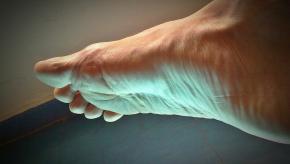
Gout Imaging in Care
Gout is all about the crystals and the consequences of the disease are due to the inflammation they cause.
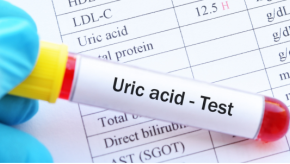
Saliva and Uric Acid Testing
A recent report from China reaffirms the potential utility of salivary uric acid (UA) testing delivers smartphone-guided, enzyme-free gout screening at home for pennies per test.

