


Top Four and More (4.10.2026)
Transcription
It's April 10, 2026, and this is the RheumNow podcast. This week on the podcast, my top four. The first three are top because they're public health problems. The fourth is a Jack Cush problem.
Let's begin with CDC releasing some statistics this week about obesity in the United States, mainly looking at adults over age 20. What's that number? What do you think it is? Of course, we know that each decade, each year, obesity goes up. There's an obesity epidemic in the United States. The number right now, as of 2023, according to NHANES, that's sort of their annual survey statistics tool, was 40.3%. About 10% of that severe obesity, 32% they're overweight by BMI. So these are studies where they are looking at BMI and whatnot. This is the public health challenge. This is why I've been presenting a lot of obesity data, a lot of GLP-1 data. I think it certainly is a big issue for all healthcare providers, especially those of us in rheumatology.
Another big concern of mine is that of mental health and depression. It is a major problem throughout health care. It is a major problem for our patients with our disorders, especially when we're trying to get optimal responses and we are impaired by problems of depression, anxiety, bipolar disease. A UK study called the Our Future Health study of 1.5 million in the UK found that affective disorders was significantly higher in autoimmune patients compared to the general population — 29% versus 18%. That's an odds ratio of 1.86. Again, these affective disorders are depression, bipolar, anxiety, using common tools like the PHQ-9 for depression, the GAD-7 for anxiety — these are tools that we could be using in practice. It was very high, but then after adjustments for income and pain it came down a little bit, but it's still there. The point is, what are you doing about it? How is this coloring your practice? You should include a PHQ-9 in your survey tools or a PHQ-2. PHQ-9, nine questions. The PHQ-2, two questions — or use my survey form that asks the question, do you have depression? And then you know whether you need to deal with it. Look at it compared to what responses are, what the problems are. Big, big issue.
The other big issue for almost over a decade now has been the opioid addiction problem in the United States. The good news is that between 2015 and 2023, long-term opioid use has declined significantly. And as of 2023, there's about 4-plus million in the United States who are taking long-term opioids. It's still a problem, don't you think? I mean, the number is down and problems with the fentanyl and whatnot have gone down and deaths have gone down in more recent years, but this still is a problem. And we also published that during the same period, gabapentin use has gone up, and there are a lot of warnings about gabapentin. There's a lot of concern that gabapentin is not effective. I do use gabapentin. I do use it as an adjunct modifier of pain responses. I do use it as a sleep aid and a fibromyalgia drug, but the evidence for it is really not that strong. And why am I using it? Well, I don't have a lot of other great options, do I? This still is a public health problem.
Problem number four is Still's disease. Yeah, it's a Jack Cush problem. You know, I went into rheumatology because of systemic JIA and two incredible cases that I saw during my second year of residency, and have been devoted to it ever since — and hence you have to hear me talk about it a lot. I think it's not a bad thing. Still's disease always seems to come up. There was a recent article about machine learning to predict the horrible complication of Still's disease in both kids and adults. That complication being macrophage activation syndrome. You don't want to miss it, because Still's disease kills no one unless you kill them with steroids and too much steroids — and you don't do that. The evidence says that you don't do that. But macrophage activation, which happens in 20–25% of kids and up to 37% of adults, is deadly, especially if not caught early.
This machine learning application was applied to 312 patients with adult Still's disease. The XGBoost model gave you the five best predictors of developing MAS, and that would be very high ferritin, splenomegaly, very high platelets, cholesterol, sed rate. The AUC on that is 84%, sensitivity 82%, specificity 71%.
And I would tell you the big predictors of macrophage activation, MAS, is ferritin, hyperferritinemia. You think ferritin is a good diagnostic test for Still's — it's not. It's only elevated in 50%. But extreme ferritins, when you see it — uh-oh, holy crap, this could be MAS. That's what you — especially when they previously had very high white counts and now the white count's turning and going down. When the white count goes down, the LFTs go up, the ferritin goes up, the CRP goes way up, IL-6 levels go way up, and sed rate goes way down. It's a paradoxical
picture from that you usually see with just active systemic stills. So, this is very good. They have in here platelets and sed rate as being predictive. And they really mean low sed rate. Platelet is just another acute phase reactant just like ferritin. Cholesterol is curious on here. I don't know why it's on here. If you look at the data, low cholesterol in HLH — the hemophagic syndrome — is a poor indicator of survival. Low cholesterol, and it's that sort of cholesterol paradox with inflammation. High inflammation, low cholesterol kind of picture. Except in this paper, it looked like high cholesterol. And in other papers, it's HDL that predicts mortality. Don't be doing cholesterols in stills. I don't know what the hell you're doing if you're doing that. It's really not that helpful, even though this paper said it was.
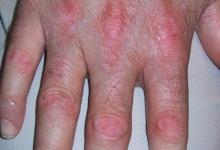
Uh, let's move on. Itch is a common problem in scleroderma. I wrote about this this week because I see it and I often don't know what to do about it. What the paper was mainly about — and this was a study of 2,173 systemic sclerosis patients and they were followed serially — they had over 20,000 assessments including 20,000 itch assessments. Who does itch assessments? Um, 87% of these patients were female. The mean age was 55. 40% of the patients had diffuse systemic sclerosis, which means 60% did not, and itch was seen in about 35% of all the patients across all the subgroups. It was moderate in severity — four out of 10 in severity — and it was seen throughout the disease course. What I had previously thought was that itch was a sign of rapidly progressing skin involvement in scleroderma, with thickening of the dermis with collagen and whatnot, and it was those changes and the stretching of the dermis that led to the itch sensation. Turns out that no, this is seen at all different phases of disease and in up to 35% of patients. The management is still problematic. I send them to my dermatologist. Itch medicines are often not very effective. Skin smoothing medicines and use of whatever you can to control the progression of scleroderma are the main things that are recommended.
A study of mucocutaneous disease in lupus comes from the Asia-Pacific lupus cohort, which has over 4,100 SLE patients, and they defined mucocutaneous disease as oral ulcers, rashes, malar rash — I think even Raynaud's — and anyway, it turns out that how many people do you think in their 4,000 lupus patients in their cohort had mucocutaneous disease? It was only 36%. I would have guessed like 40 to 50%, but it was only 36%. About a third of them had rash — that would be all kinds of rash including malar rash. Alopecia one in six, mucosal ulceration one in 12 patients, and overall about 15 to 16% had persistent mucocutaneous disease. The disease associations with mucocutaneous disease included being Caucasian, smoking, abnormal serologies, cutaneous vasculitis, myositis, serositis, nephritis, and psychiatric and brain manifestations of lupus — all associated with skin disease.
So again, I think that sort of coincides with what I see. I think though that finding — you know, we often think that mucocutaneous disease is on that spectrum of mild lupus: white people, skin and joint disease and whatnot. This says though it does associate with more severe aspects of disease including nephritis, serositis, vasculitis, and myositis, and that you should be looking for that.
Speaking of myositis, a study from the Johns Hopkins myositis study group — which is, you know, Lisa Rider, Christopher Mecoli, and all their colleagues do great work there — their study of 637 dermatomyositis patients looked at the issue of flares of dermatomyositis. They found that flares were associated with objective measures of dermatomyositis disease activity, meaning if you're active you're more likely to have flares. Yes, a sort of duh statement. But what were the manifestations? Mainly rash, 76%. Muscle weakness, 58%. Respiratory findings — symptoms and imaging abnormalities — in 19%, and arthritis in 12% as the basis for flares. And again these patients all had met criteria for flares that they also looked at. The interesting — there were many interesting points in this paper that you should look at — that 2 to 5% of patients who had flares were going to be diagnosed with cancer within the next 24 months. It's a low number, but maybe that's a relevant number to you. Next week on RheumNow, I've got some really interesting data about the IMACS criteria for screening for cancer in myositis or dermatomyositis patients. A few good studies published about this recently. Look for that on Monday.
A 5-year Italian study of hospitalized autoimmune patients between 2018 and 2023 found — and there were 4,800 patients — they looked at what their cancer risk was amongst these almost 4,900
immune mediated disorder patients, compared over 300,000 non-IMID patients and IMID patients. Immune mediated inflammatory disorders had significantly higher risk of cancers, about a 32% higher risk, odds ratio 1.32, mainly in the first year of diagnosis. As you follow those people longer, going out to five plus years, it went from 1.83 odds ratio down to 1.22 at 5 years or beyond. And of course, the cancers that these patients had are the ones we've talked about before. More lung and bladder, more lymphoma, leukemia, and melanoma. And they did include skin cancer, but I'm sure skin cancer would have been increased there as well.
A nice report about AAV — ANCA-associated vasculitis patients, 2,800. How many you think developed Pneumocystis PJP infections? You know, those are patients where maybe prophylaxis is most appropriate, and the number was 6.2%. The people more likely to develop PJP were being older, having higher max doses of glucocorticoids, total cumulative doses as well. Rituximab, Cytoxan, cyclophosphamide were all predictors, as was being on PJP prophylaxis, which was actually proof that they had the problem. Those predictors had a fairly good concordance rate at 2 months and also at one year. So those should be things where you really should strongly think about the use of PJP prophylaxis. In the first year it was estimated that the monthly risk was about 1%, and in the cohort they identified with these criteria, 34 potentially preventable cases of PJP if prophylaxis were applied.
I like this study about polymyalgia rheumatica. It was a study of 257 patients from one center with PMR. They looked at the ones that were referred versus the ones that were not referred and then diagnosed. So like 54 were diagnosed by them, 98 were referred by GPs. And when they compared the referrals, the GP referrals were mainly for diagnostic uncertainty — 51% — and less so for relapse of disease 27% or recurrence of disease 11%. When they looked at the diagnostic accuracy, or the inverse of that, which were patients who were wrongly diagnosed, PMR diagnostic accuracy was better in rheumatologists than primary care, 83% versus 62%. But congratulations to primary care doctors for being right 62% of the time and then referring the other ones for what was probably another diagnosis. So again, a good strong relationship between you and the primary care base that refers to you — why don't you get an email list of your primary care base? You can get it from your hospital system and send them all a letter about the people that you want to see, who you'll see with expediency. Guess what? You'll start getting the patients that you really want to see. We tend to be quite passive about what comes to us.
Speaking of comparisons, who's better at managing rheumatoid arthritis, orthopedists or rheumatologists? That seems like a no-brainer, right? Well, not necessarily in Japan. They did a study there called the ANSWER study, where they looked at 7,200 RA patients who are being managed by either orthopedists or rheumatologists. Turns out in Japan this is very common — orthopedists will commonly manage them, not surgically manage them, medically manage them. And in this cohort of 7,200, 5,400 were managed by rheumatologists, 1,800 by the orthopedists. And what were the differences? Again, these are patients that were being treated with either JAK inhibitors or biologics. The RA patients the orthopedists managed tended to have longer disease duration, they were more seropositive, had more functional impairment, they gave them more intraarticular steroids, and they also used more methotrexate, steroids, and TNF inhibitors compared to the other drugs. These patients also had less comorbidity, which were probably then being managed by the rheumatologist. And they were less likely to use oral steroids than the rheumatologists. The rheumatologists were more likely to use IL-6 inhibitors and abatacept. And guess what? In the end, who came out better? Who managed them better? They were exactly the same. They were exactly the same, which is a testimony to the strength of knowledge and practice by orthopedists in Japan. I think they're all operating off of the same information set and guideline list, and good things can happen when that happens.
A study from China, from Beijing, was published in the Mayo Clinic Proceedings this past week, and I found it interesting. It's a direct head-to-head study of tofacitinib versus methotrexate. An open-label randomized active-controlled study of 116 DMARD-naive RA patients. Think about that — they're all DMARD-naive. 116 of them, 58 or whatever that is, get one or the other. And everyone gets a single intramuscular injection of, I think
it was betamethasone. At three months, tofacitinib responses were better than methotrexate. How do they measure response? A greater than 50% reduction in SDAI — the Simplified Disease Activity Index — that was 94% improved on tofacitinib and 75% improved on methotrexate. Similarly, CDAI and DAS28-CRP outcomes favored tofacitinib. And here's a really interesting point: tofacitinib was more cost effective than methotrexate. Well, that's obviously a function of Beijing and China, where tofacitinib is not on patent. It's about to go off patent. And this is sort of a big issue for you, is it not? It's going to go off patent here in the United States. It's going to get cheaper. And what will be the cost differences between methotrexate and a JAK inhibitor? And will that change what your first line therapy is? Remember, every guideline says first line therapy is methotrexate — it's the anchor drug according to the ACR. I think that could change when tofacitinib and other JAK inhibitors get cheap.
Three more reports that we wrote about. I wrote a review of a review. Lancet published a review on VEXAS syndrome. As soon as I published it, it went boom right to the top as most read article. As you know, VEXAS is an X-linked auto-inflammatory disorder caused by a somatic mutation of the UBA1 gene, leading to all kinds of hematopoietic and immunologic problems that lead to — what, prior to its identification — treatment-refractory systemic inflammatory disorders that often were confused with relapsing polychondritis, Sweet syndrome, ANCA vasculitis, maybe Still's disease. But again, it's important that we now have a way of diagnosing this. It is diagnosed by doing genetic testing.
How common is this disorder? It is seen in one in 4,000 men over the age of 50. So it's rare, but it's even more rare — six times more rare — in one in 26,000 women over the age of 50. And again, it's been confused with a lot of different diagnoses. The review is a good one. Our review of it was a good one. The main treatments right now seem to be steroids, IL-6 inhibitors, or JAK inhibitors. But there is no diagnostic criteria that are universally agreed upon. Having an awareness and knowing when to do the test makes it sort of an achievable diagnosis in many. And when I lecture in front of large groups of audiences, you know, I don't know, 20–25% of rheumatologists have made that diagnosis — that's impressive.
I like the review this week on calcinosis cutis in systemic sclerosis. When we see it, it's ugly; we don't really know how to treat it. I have written about it and talked about it before. The universally agreed upon treatment for problematic calcinosis is surgery. There really is no drug that works. This is a study from the EUSTAR database of over 7,000 systemic sclerosis patients. While there were many predictors — mainly that of worse disease — patients who had calcinosis cutis were more likely to have higher Rodnan skin scores, meaning more severe disease, telangiectasias, digital ischemia and ulcers, advanced capillaroscopy changes, tendon friction rubs, GI involvement, pulmonary arterial hypertension, synovitis, and renal crisis. It's a bad news finding in systemic sclerosis.
The last report comes from JAMA, and it was an interesting report about rotator cuff findings on MRI and how important they are. They basically said they're incidental, no matter what you think. A cross-sectional study of the general population in Finland — 602 people undergoing bilateral shoulder MRI for some sort of shoulder pain — found that MRI abnormalities were seen in everyone. Like 96% of people over the age of 40 who had MRIs had rotator cuff abnormalities. Excuse me — these 602 did not all have symptoms; some did, some didn't. So regardless of symptoms, MRI positivity meant nothing. Of the 602, 595 had abnormalities. What were the abnormalities? A quarter had tendinopathy, 62% had partial tears, 11% had full thickness tears, and these were all findings that were worse in an older and older population.
And that's kind of the problem, isn't it? Who are you ordering MRI of the shoulder in — your older RA, your older PsA, your older OA patients? It means nothing. If you started doing MRIs on everybody, you see the same findings. The question is, you do the MRI to make the diagnosis that's going to lead to better treatment or surgery. The predictors of surgery and benefit of surgery are acute rotator cuff tears, often with a pop, right? Often in younger people, and certainly surgery is more likely to happen in people who have physical demands where they need their shoulders and need to fix this problem. Successful surgery is based on tendon quality — a low amount of fatty infiltration gives you better outcomes — and the size of the tear, meaning small tears repair
much more easily and have less failure in the future. I'm going to think twice about ordering MRI and instead assuming everybody, all my RA patients over 50 with shoulder pain probably have rotator cuff disease, let's do some physical therapy. Let's get better control of their RA. Think about it. Let's talk next week here on the podcast.
Let's begin with CDC releasing some statistics this week about obesity in the United States, mainly looking at adults over age 20. What's that number? What do you think it is? Of course, we know that each decade, each year, obesity goes up. There's an obesity epidemic in the United States. The number right now, as of 2023, according to NHANES, that's sort of their annual survey statistics tool, was 40.3%. About 10% of that severe obesity, 32% they're overweight by BMI. So these are studies where they are looking at BMI and whatnot. This is the public health challenge. This is why I've been presenting a lot of obesity data, a lot of GLP-1 data. I think it certainly is a big issue for all healthcare providers, especially those of us in rheumatology.
Another big concern of mine is that of mental health and depression. It is a major problem throughout health care. It is a major problem for our patients with our disorders, especially when we're trying to get optimal responses and we are impaired by problems of depression, anxiety, bipolar disease. A UK study called the Our Future Health study of 1.5 million in the UK found that affective disorders was significantly higher in autoimmune patients compared to the general population — 29% versus 18%. That's an odds ratio of 1.86. Again, these affective disorders are depression, bipolar, anxiety, using common tools like the PHQ-9 for depression, the GAD-7 for anxiety — these are tools that we could be using in practice. It was very high, but then after adjustments for income and pain it came down a little bit, but it's still there. The point is, what are you doing about it? How is this coloring your practice? You should include a PHQ-9 in your survey tools or a PHQ-2. PHQ-9, nine questions. The PHQ-2, two questions — or use my survey form that asks the question, do you have depression? And then you know whether you need to deal with it. Look at it compared to what responses are, what the problems are. Big, big issue.
The other big issue for almost over a decade now has been the opioid addiction problem in the United States. The good news is that between 2015 and 2023, long-term opioid use has declined significantly. And as of 2023, there's about 4-plus million in the United States who are taking long-term opioids. It's still a problem, don't you think? I mean, the number is down and problems with the fentanyl and whatnot have gone down and deaths have gone down in more recent years, but this still is a problem. And we also published that during the same period, gabapentin use has gone up, and there are a lot of warnings about gabapentin. There's a lot of concern that gabapentin is not effective. I do use gabapentin. I do use it as an adjunct modifier of pain responses. I do use it as a sleep aid and a fibromyalgia drug, but the evidence for it is really not that strong. And why am I using it? Well, I don't have a lot of other great options, do I? This still is a public health problem.
Problem number four is Still's disease. Yeah, it's a Jack Cush problem. You know, I went into rheumatology because of systemic JIA and two incredible cases that I saw during my second year of residency, and have been devoted to it ever since — and hence you have to hear me talk about it a lot. I think it's not a bad thing. Still's disease always seems to come up. There was a recent article about machine learning to predict the horrible complication of Still's disease in both kids and adults. That complication being macrophage activation syndrome. You don't want to miss it, because Still's disease kills no one unless you kill them with steroids and too much steroids — and you don't do that. The evidence says that you don't do that. But macrophage activation, which happens in 20–25% of kids and up to 37% of adults, is deadly, especially if not caught early.
This machine learning application was applied to 312 patients with adult Still's disease. The XGBoost model gave you the five best predictors of developing MAS, and that would be very high ferritin, splenomegaly, very high platelets, cholesterol, sed rate. The AUC on that is 84%, sensitivity 82%, specificity 71%.
And I would tell you the big predictors of macrophage activation, MAS, is ferritin, hyperferritinemia. You think ferritin is a good diagnostic test for Still's — it's not. It's only elevated in 50%. But extreme ferritins, when you see it — uh-oh, holy crap, this could be MAS. That's what you — especially when they previously had very high white counts and now the white count's turning and going down. When the white count goes down, the LFTs go up, the ferritin goes up, the CRP goes way up, IL-6 levels go way up, and sed rate goes way down. It's a paradoxical
picture from that you usually see with just active systemic stills. So, this is very good. They have in here platelets and sed rate as being predictive. And they really mean low sed rate. Platelet is just another acute phase reactant just like ferritin. Cholesterol is curious on here. I don't know why it's on here. If you look at the data, low cholesterol in HLH — the hemophagic syndrome — is a poor indicator of survival. Low cholesterol, and it's that sort of cholesterol paradox with inflammation. High inflammation, low cholesterol kind of picture. Except in this paper, it looked like high cholesterol. And in other papers, it's HDL that predicts mortality. Don't be doing cholesterols in stills. I don't know what the hell you're doing if you're doing that. It's really not that helpful, even though this paper said it was.
Uh, let's move on. Itch is a common problem in scleroderma. I wrote about this this week because I see it and I often don't know what to do about it. What the paper was mainly about — and this was a study of 2,173 systemic sclerosis patients and they were followed serially — they had over 20,000 assessments including 20,000 itch assessments. Who does itch assessments? Um, 87% of these patients were female. The mean age was 55. 40% of the patients had diffuse systemic sclerosis, which means 60% did not, and itch was seen in about 35% of all the patients across all the subgroups. It was moderate in severity — four out of 10 in severity — and it was seen throughout the disease course. What I had previously thought was that itch was a sign of rapidly progressing skin involvement in scleroderma, with thickening of the dermis with collagen and whatnot, and it was those changes and the stretching of the dermis that led to the itch sensation. Turns out that no, this is seen at all different phases of disease and in up to 35% of patients. The management is still problematic. I send them to my dermatologist. Itch medicines are often not very effective. Skin smoothing medicines and use of whatever you can to control the progression of scleroderma are the main things that are recommended.
A study of mucocutaneous disease in lupus comes from the Asia-Pacific lupus cohort, which has over 4,100 SLE patients, and they defined mucocutaneous disease as oral ulcers, rashes, malar rash — I think even Raynaud's — and anyway, it turns out that how many people do you think in their 4,000 lupus patients in their cohort had mucocutaneous disease? It was only 36%. I would have guessed like 40 to 50%, but it was only 36%. About a third of them had rash — that would be all kinds of rash including malar rash. Alopecia one in six, mucosal ulceration one in 12 patients, and overall about 15 to 16% had persistent mucocutaneous disease. The disease associations with mucocutaneous disease included being Caucasian, smoking, abnormal serologies, cutaneous vasculitis, myositis, serositis, nephritis, and psychiatric and brain manifestations of lupus — all associated with skin disease.
So again, I think that sort of coincides with what I see. I think though that finding — you know, we often think that mucocutaneous disease is on that spectrum of mild lupus: white people, skin and joint disease and whatnot. This says though it does associate with more severe aspects of disease including nephritis, serositis, vasculitis, and myositis, and that you should be looking for that.
Speaking of myositis, a study from the Johns Hopkins myositis study group — which is, you know, Lisa Rider, Christopher Mecoli, and all their colleagues do great work there — their study of 637 dermatomyositis patients looked at the issue of flares of dermatomyositis. They found that flares were associated with objective measures of dermatomyositis disease activity, meaning if you're active you're more likely to have flares. Yes, a sort of duh statement. But what were the manifestations? Mainly rash, 76%. Muscle weakness, 58%. Respiratory findings — symptoms and imaging abnormalities — in 19%, and arthritis in 12% as the basis for flares. And again these patients all had met criteria for flares that they also looked at. The interesting — there were many interesting points in this paper that you should look at — that 2 to 5% of patients who had flares were going to be diagnosed with cancer within the next 24 months. It's a low number, but maybe that's a relevant number to you. Next week on RheumNow, I've got some really interesting data about the IMACS criteria for screening for cancer in myositis or dermatomyositis patients. A few good studies published about this recently. Look for that on Monday.
A 5-year Italian study of hospitalized autoimmune patients between 2018 and 2023 found — and there were 4,800 patients — they looked at what their cancer risk was amongst these almost 4,900
immune mediated disorder patients, compared over 300,000 non-IMID patients and IMID patients. Immune mediated inflammatory disorders had significantly higher risk of cancers, about a 32% higher risk, odds ratio 1.32, mainly in the first year of diagnosis. As you follow those people longer, going out to five plus years, it went from 1.83 odds ratio down to 1.22 at 5 years or beyond. And of course, the cancers that these patients had are the ones we've talked about before. More lung and bladder, more lymphoma, leukemia, and melanoma. And they did include skin cancer, but I'm sure skin cancer would have been increased there as well.
A nice report about AAV — ANCA-associated vasculitis patients, 2,800. How many you think developed Pneumocystis PJP infections? You know, those are patients where maybe prophylaxis is most appropriate, and the number was 6.2%. The people more likely to develop PJP were being older, having higher max doses of glucocorticoids, total cumulative doses as well. Rituximab, Cytoxan, cyclophosphamide were all predictors, as was being on PJP prophylaxis, which was actually proof that they had the problem. Those predictors had a fairly good concordance rate at 2 months and also at one year. So those should be things where you really should strongly think about the use of PJP prophylaxis. In the first year it was estimated that the monthly risk was about 1%, and in the cohort they identified with these criteria, 34 potentially preventable cases of PJP if prophylaxis were applied.
I like this study about polymyalgia rheumatica. It was a study of 257 patients from one center with PMR. They looked at the ones that were referred versus the ones that were not referred and then diagnosed. So like 54 were diagnosed by them, 98 were referred by GPs. And when they compared the referrals, the GP referrals were mainly for diagnostic uncertainty — 51% — and less so for relapse of disease 27% or recurrence of disease 11%. When they looked at the diagnostic accuracy, or the inverse of that, which were patients who were wrongly diagnosed, PMR diagnostic accuracy was better in rheumatologists than primary care, 83% versus 62%. But congratulations to primary care doctors for being right 62% of the time and then referring the other ones for what was probably another diagnosis. So again, a good strong relationship between you and the primary care base that refers to you — why don't you get an email list of your primary care base? You can get it from your hospital system and send them all a letter about the people that you want to see, who you'll see with expediency. Guess what? You'll start getting the patients that you really want to see. We tend to be quite passive about what comes to us.
Speaking of comparisons, who's better at managing rheumatoid arthritis, orthopedists or rheumatologists? That seems like a no-brainer, right? Well, not necessarily in Japan. They did a study there called the ANSWER study, where they looked at 7,200 RA patients who are being managed by either orthopedists or rheumatologists. Turns out in Japan this is very common — orthopedists will commonly manage them, not surgically manage them, medically manage them. And in this cohort of 7,200, 5,400 were managed by rheumatologists, 1,800 by the orthopedists. And what were the differences? Again, these are patients that were being treated with either JAK inhibitors or biologics. The RA patients the orthopedists managed tended to have longer disease duration, they were more seropositive, had more functional impairment, they gave them more intraarticular steroids, and they also used more methotrexate, steroids, and TNF inhibitors compared to the other drugs. These patients also had less comorbidity, which were probably then being managed by the rheumatologist. And they were less likely to use oral steroids than the rheumatologists. The rheumatologists were more likely to use IL-6 inhibitors and abatacept. And guess what? In the end, who came out better? Who managed them better? They were exactly the same. They were exactly the same, which is a testimony to the strength of knowledge and practice by orthopedists in Japan. I think they're all operating off of the same information set and guideline list, and good things can happen when that happens.
A study from China, from Beijing, was published in the Mayo Clinic Proceedings this past week, and I found it interesting. It's a direct head-to-head study of tofacitinib versus methotrexate. An open-label randomized active-controlled study of 116 DMARD-naive RA patients. Think about that — they're all DMARD-naive. 116 of them, 58 or whatever that is, get one or the other. And everyone gets a single intramuscular injection of, I think
it was betamethasone. At three months, tofacitinib responses were better than methotrexate. How do they measure response? A greater than 50% reduction in SDAI — the Simplified Disease Activity Index — that was 94% improved on tofacitinib and 75% improved on methotrexate. Similarly, CDAI and DAS28-CRP outcomes favored tofacitinib. And here's a really interesting point: tofacitinib was more cost effective than methotrexate. Well, that's obviously a function of Beijing and China, where tofacitinib is not on patent. It's about to go off patent. And this is sort of a big issue for you, is it not? It's going to go off patent here in the United States. It's going to get cheaper. And what will be the cost differences between methotrexate and a JAK inhibitor? And will that change what your first line therapy is? Remember, every guideline says first line therapy is methotrexate — it's the anchor drug according to the ACR. I think that could change when tofacitinib and other JAK inhibitors get cheap.
Three more reports that we wrote about. I wrote a review of a review. Lancet published a review on VEXAS syndrome. As soon as I published it, it went boom right to the top as most read article. As you know, VEXAS is an X-linked auto-inflammatory disorder caused by a somatic mutation of the UBA1 gene, leading to all kinds of hematopoietic and immunologic problems that lead to — what, prior to its identification — treatment-refractory systemic inflammatory disorders that often were confused with relapsing polychondritis, Sweet syndrome, ANCA vasculitis, maybe Still's disease. But again, it's important that we now have a way of diagnosing this. It is diagnosed by doing genetic testing.
How common is this disorder? It is seen in one in 4,000 men over the age of 50. So it's rare, but it's even more rare — six times more rare — in one in 26,000 women over the age of 50. And again, it's been confused with a lot of different diagnoses. The review is a good one. Our review of it was a good one. The main treatments right now seem to be steroids, IL-6 inhibitors, or JAK inhibitors. But there is no diagnostic criteria that are universally agreed upon. Having an awareness and knowing when to do the test makes it sort of an achievable diagnosis in many. And when I lecture in front of large groups of audiences, you know, I don't know, 20–25% of rheumatologists have made that diagnosis — that's impressive.
I like the review this week on calcinosis cutis in systemic sclerosis. When we see it, it's ugly; we don't really know how to treat it. I have written about it and talked about it before. The universally agreed upon treatment for problematic calcinosis is surgery. There really is no drug that works. This is a study from the EUSTAR database of over 7,000 systemic sclerosis patients. While there were many predictors — mainly that of worse disease — patients who had calcinosis cutis were more likely to have higher Rodnan skin scores, meaning more severe disease, telangiectasias, digital ischemia and ulcers, advanced capillaroscopy changes, tendon friction rubs, GI involvement, pulmonary arterial hypertension, synovitis, and renal crisis. It's a bad news finding in systemic sclerosis.
The last report comes from JAMA, and it was an interesting report about rotator cuff findings on MRI and how important they are. They basically said they're incidental, no matter what you think. A cross-sectional study of the general population in Finland — 602 people undergoing bilateral shoulder MRI for some sort of shoulder pain — found that MRI abnormalities were seen in everyone. Like 96% of people over the age of 40 who had MRIs had rotator cuff abnormalities. Excuse me — these 602 did not all have symptoms; some did, some didn't. So regardless of symptoms, MRI positivity meant nothing. Of the 602, 595 had abnormalities. What were the abnormalities? A quarter had tendinopathy, 62% had partial tears, 11% had full thickness tears, and these were all findings that were worse in an older and older population.
And that's kind of the problem, isn't it? Who are you ordering MRI of the shoulder in — your older RA, your older PsA, your older OA patients? It means nothing. If you started doing MRIs on everybody, you see the same findings. The question is, you do the MRI to make the diagnosis that's going to lead to better treatment or surgery. The predictors of surgery and benefit of surgery are acute rotator cuff tears, often with a pop, right? Often in younger people, and certainly surgery is more likely to happen in people who have physical demands where they need their shoulders and need to fix this problem. Successful surgery is based on tendon quality — a low amount of fatty infiltration gives you better outcomes — and the size of the tear, meaning small tears repair
much more easily and have less failure in the future. I'm going to think twice about ordering MRI and instead assuming everybody, all my RA patients over 50 with shoulder pain probably have rotator cuff disease, let's do some physical therapy. Let's get better control of their RA. Think about it. Let's talk next week here on the podcast.




If you are a health practitioner, you may Login/Register to comment.
Due to the nature of these comment forums, only health practitioners are allowed to comment at this time.